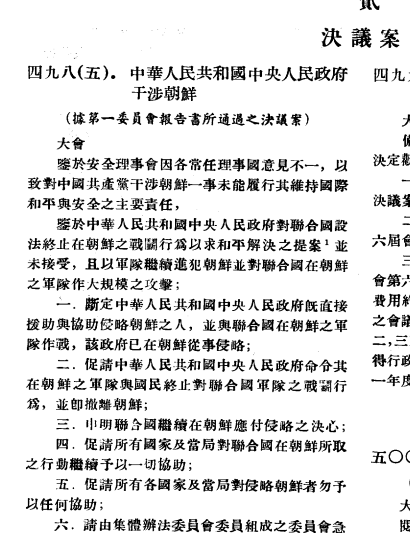
以中国老百姓视角对联合国2758号决议的真相揭秘:政治操控、程序漏洞与被误读的合法性神话


过去半个世纪里,中共始终把联合国大会2758号决议奉为不可置疑的“国际法铁证”,并以此压制国际社会讨论台湾地位的所有空间。然而讽刺的是,中共恐怕从未料到:对2758号决议最系统、最严谨、最具毁灭性的反驳,竟不是来自“境外势力”,不是来自台湾,更不是来自任何它可以轻易抹黑的群体——而是来自它自己亲手审核、培训、发证、备案的中国大陆执业人士中国注册会计师

下面针对2758号决议进行系统性分析,同时回到合法性的根源:自由表达是国家代表权的逻辑前提,而不是可有可无的政治装饰。


一、合法性的底线:没有表达自由,就没有合法的政府代表

现代国际法、宪政理论与民主政治都有一个前提:

只有公民能够自由表达意见、自由组织、自由竞争、在无恐惧环境下选择代表,一个政府的代表性才具有合法性。

但中华人民共和国(PRC)政权自1949年以来持续剥夺:

  • 言论自由

  • 新闻自由

  • 出版自由

  • 结社自由

  • 选举自由

  • 批评政府的权利

换言之:

在没有自由表达条件下产生的“代表”,无论对内还是对外,都缺乏合法性。

因此,任何声称“中华人民共和国政府代表是中国唯一合法代表”的国际文件,都面临致命逻辑缺陷:
它假定中国人民给予授权,而事实上人民从未拥有表达自由,也从未给予授权。

这使得2758号决议的核心前提——“中华人民共和国政府代表中国人民”——在逻辑上不成立。

二、联合国2758号决议的票数本质:并非人民的选择,而是外交官的投票

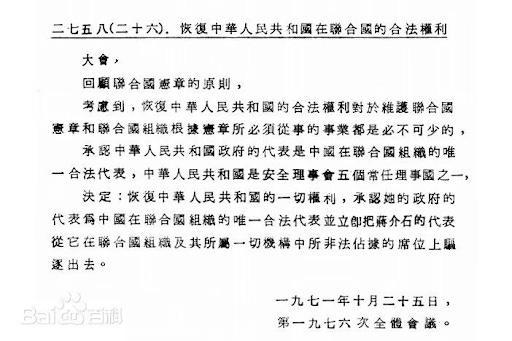
1971年10月25日,决议以:

  • 76票赞成

  • 35票反对

  • 17票弃权

通过。

当时全球人口约38亿。换算后:

  • 一票代表约 2970万

  • 赞成票仅代表全球人口的 0.002%

这意味着:

中国人民没有投票。台湾人民没有投票。世界人民也没有投票。
投票的只是128名外交官。

按照现代合法性标准,这不是人民主权,而是典型的政治精英的少数决定。

一个从未征询中国人民、甚至从未允许中国人民表达意见的政权,仅凭76票,就被宣称为“中国唯一合法代表”,是对人民主权原则的根本否定。


三、英文原文存在重大误导:“Recognizing”构成虚假事实基础

决议写道:

“Recognizing that the People’s Republic of China is one of the five permanent members of the Security Council…”

这是一个虚假事实认定(false factual assertion),并且在法律上构成重大误导性陈述(materially misleading statement)

原因在国际法层面非常明确、非常致命:


第一,1945—1971 年之间,联合国安理会的“中国席位”由中华民国(ROC)实际占据

这是所有联合国年鉴、安理会会议记录和安理会成员名单都明确记载的事实。
在1971年之前的全部26年中,中华人民共和国从未行使过五常成员的任何职权、权力或义务。

PRC 1971年前既非成员国,也不是安理会代表,更不是五常。


第二,《联合国宪章》第23条(1945年文本及此后所有法律版本)写得清清楚楚:

“中华民国、法国、苏维埃社会主义共和国联盟、英国和美国为安全理事会常任理事国。”

条文中列名的 permanent members 是明确写死的名单

自1945年起直到今天:

“中华人民共和国”从未在《联合国宪章》第23条中出现过。

没有任何字眼。

没有任何增改。

没有任何替换。

PRC 从未在宪章文本中被写入五常名单。


第三,没有任何一次《联合国宪章》修正案(根据第108或109条)被用来替换该名单

根据《宪章》修正规则:

  • 需要联合国大会 2/3 多数通过

  • 需要 五个常任理事国全部批准(ratification)

历史上从未发生过一次用来将“中华民国(ROC)”更换为“中华人民共和国(PRC)”的修正案。

换言之:

在宪章法律层面,从未有任何合法程序把五常席位从 ROC 转移给 PRC。


第四,因此:PRC 在1971年并不具有“五常成员”的预存法律地位

这意味着:

  • 决议文本中的 “Recognizing…” 假定了一项并不存在的既有法律事实

  • 它把一个不真实的法律地位写成“联合国所确认的事实”

  • 这在条约解释和国际法律文件中属于严重事实错误

在国际法中,“Recognizing”只能用于承认已经存在的事实(existing fact),不能用来“创造事实”或“替代宪章修正程序”。

但这里它却被用来:

把一个不存在的五常成员资格包装成“既成事实”。


第五:PRC 仅是在2758号决议之后,才“事实上”占据了安理会常任理事国席位

关键点:

2758号决议并未也不能修改《联合国宪章》。

它只是一个普通的联大决议(GA Resolution),没有宪章效力。

因此:

  • PRC 并非依据宪章条文获得五常地位

  • 也非依据宪章修正程序获得席位

  • 它只是通过一次政治投票被“安置”到五常座位上

在法律术语上,这叫做:

de facto 占有(事实占据)

而非 de jure 地位(法律赋予)。**


第六:因此,2758号决议存在两大严重法律瑕疵

(1)虚假事实前提(false premise)

它把 PRC 写成“本来就是”五常之一,而这从未发生。

(2)越权主张(Ultra Vires)

联大无权决定或更改安理会常任理事国的构成,这项权力仅属于《宪章》修正程序。

因此,联大通过决议宣布 PRC “是”五常之一,本身即构成越权。


2758号决议中关于 PRC 五常地位的表述,既不符合历史事实,也不符合《联合国宪章》的法律结构。

它同时:

  • 虚构了一个并不存在的既有法律事实

  • 掩盖了宪章从未修正的根本事实

  • 越权认定了联大无权认定的事项

  • 最终导致 PRC 以“政治投票+虚假认定”的方式占据五常席位

换言之:

PRC 的五常地位不是依法取得,而是非法占据。

2758号决议对此的描述属于重大错报和误导性陈述。

因此,“Recognizing”构成:

  • 虚构事实

  • 误导性陈述

  • 程序性不当

  • 严重违反国际文本的事实准确性原则

中文翻译进一步掩盖了这一点,把“Recognizing”误译为“承认”,而非“基于此事实”。

换句话说:

决议建立在一个不存在的事实之上。

四、联合国大会越权:无权决定“唯一合法代表”

根据《联合国宪章》规定:

  • 联合国大会无权决定国家的合法政府

  • 无权决定“唯一合法代表”

  • 无权裁定主权归属

  • 仅能处理“席位与代表资格”问题

然而2758号决议写道:

“中华人民共和国政府代表为中国在联合国的唯一合法代表”

这等同于:

联大擅自宣布一个政府的合法性(Ultra Vires,越权行为)。

在国际法中,这相当于:

一个完全没有司法权的机构,做出准司法裁决。

——不仅越权,而且在原则上不可能成立。

五、重大法律与程序缺陷:没有任何审查机制,虚假事实直接进入国际法体系

1971年的联合国体系中:

  • 没有强制的法律审查

  • 没有事实核查机制

  • 没有宪章一致性审查

  • 第六委员会(法律委员会)未参与

  • OLA(法律事务厅)意见非强制

  • 从未通过司法程序检验

结果:

  • 虚假事实被直接写入文件

  • 越权主张无人制止

  • 席位问题被政治化为主权问题

  • 台湾人民与中国人民完全被抛在一边

在现代治理体系中,这是不可想象的程序灾难。

六、PRC的会员资格从未被重新审查:忽略了宪章第4条“和平爱好国家”要求

宪章第4条要求:

只有“和平爱好国家”才能加入联合国。

但 PRC 在 1950–1953 年:

  • 与联合国军交战(朝鲜战争)

  • 战争状态未被正式终止

  • 直到1953年签署的是停战而非和平条约

2758号决议:

  • 没有重新审查PRC的国家资格

  • 没有评估其是否符合“和平爱好国家”标准

这是法律上的重大遗漏。

Image

七、政治后果:一个错误文件被武器化五十年

当虚假前提、程序缺陷、越权措辞与国际权威感混合后,结果是:

  • 席位与主权被故意混淆

  • 中文版翻译进一步扭曲法律含义

  • PRC 把2758当成“神圣护符”

  • 国际社会被误导整整半个世纪

  • 中国人民被排除在外

  • 台湾人民被剥夺表达权

这就是政治化文件在缺乏表达自由体系下的最终作用:
让人民失声,让政府替人民说话。

八、最根本的问题:没有表达自由的政权,无法产生合法代表

一个没有表达自由的制度无法自我正当化,因为:

  • 人民无法表达反对

  • 无法自由组织政党

  • 无法选择政府

  • 无法监督代表

  • 无法撤换代表

  • 无法公开辩论国家未来

在这种前提下:

一个未经人民同意的政府,不能代表人民;
一个不能代表人民的政府,不可能成为“唯一合法代表”;
一个不合法的政府,无法通过国际文件获得合法性。

因此,2758号决议最致命的缺陷不是文本本身,而是它为专制政权提供了一个国际合法性的外壳——却完全没有检验该政权是否真正来自人民的意愿。


结论:2758号决议不是终局法律,而是历史的误判

2758号决议不是:

  • 宪章修正案

  • 合法性裁决

  • 人民授权

  • 事实准确的文件

  • 联合国的“最终定案”

它只是:

一个基于错误前提、越权措辞、程序缺陷、人民被排除在外的席位调整文件。

其最深层的问题不是国际政治,而是:

它把一个剥夺表达自由、从未获得人民授权的政权包装成“人民唯一合法代表”。

提出这一套逐条推翻中共叙事体系的人,曾经持有由中华人民共和国财政部门和中国注册会计师协会层层审核批准、并经过严格的年审程序的注册会计师审计执照。这意味着,中共自己确认过他的专业能力、诚信记录、业务水平与职业判断,认可他有资格审查政府体系和党务体系的敏感财务信息。

更重要的是,他不仅审计过中共体系中的一般性机构的日常账目,还亲自审查过中华人民共和国立法机关、行政机关、以及大型国有企业的财务材料——包括但不限于:

  • 中国中铁的工程项目财务数据

  • 中国移动的运营成本、合同与票据链

  • 铁路局系统的资金调拨、银行往来与工资表

这些审计过程涉及成箱成袋的会计凭证、发票、合同、银行对账单、内部审批流程、工资发放明细、专项资金流向等中共内部极度敏感的材料。

换言之,他不是站在体系外批评中共;
而是曾受中共托付去检查中共账本的人

同时,他还持有中华人民共和国政府颁发的北京市社会保障卡,是货真价实的北京本地居民,是中共口中最“本土”、最“不可能反党”、最“不可能受外部势力影响”的那类人。

更具冲击力的是,这位批判者:

- 持有中华人民共和国政府颁发的北京市社会保障卡,是真正的北京本地居民

- 曾被评为优秀共青团员、三好学生、优秀学生

- 曾获得国家奖学金、国家励志奖学金

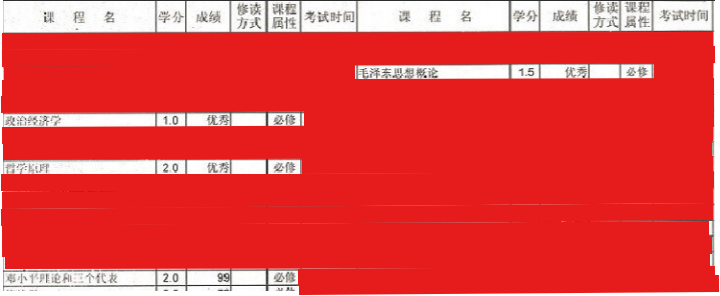
- 马克思列宁主义课程成绩几乎满分

-2020年仍在被中共体制表彰

这些信息强化了文章的权威性和说服力:连体制认可的人才都对该决议提出逻辑性批判,说明问题出在决议本身,而非批判者偏见。
然而,正是这样一个由中共亲手认证、亲手培养、亲手发证的专业人士,用中共自己认可的审计逻辑、文本阅读技巧、证据链规则和系统性检查方法,得出了一套中共最害怕的结论:

2758号决议存在系统性、结构性、不可弥补的法律缺陷;
中共过去50年的国际叙事建立在一个不具备法律效力的框架之上。

中共最深层的问题从来不是2758本身,而是更根本的:在没有表达自由的制度下,不可能产生合法的“人民代表”。如果代表不合法,则声称其“唯一合法代表”的决议自然建立在空中楼阁之上。

A Chinese Perspective on UNGA Resolution 2758: Political Manipulation, Procedural Defects, and the Myth of “The Only Legitimate Representative of China”


For more than fifty years, the government of the People’s Republic of China (PRC) has packaged UN General Assembly Resolution 2758 as if it were an unquestionable “international law,” a text with constitutional authority deciding the legitimacy of government and the political rights of the Chinese people.

In reality, Resolution 2758 contains false premises, material misstatements, misleading language, and structural procedural defects, which have allowed it to be politicized and misused for decades.

This article conducts a forensic-style review of the resolution: analyzing the text, the voting procedure, the legal implications of its language, and exposing the factual details in the English version that have been deliberately obscured or misrepresented in the Chinese translations circulated by the PRC.


I. Who Did These Votes Actually Represent? A Mere 76 Political Elites for 3.8 Billion People

The resolution passed on October 25, 1971 with:

  • 76 votes in favor

  • 35 votes against

  • 17 abstentions

  • 128 voting members in total

At the time, the world population was about 3.8 billion.
Basic math:

  • Each vote represented roughly 29.7 million people

  • Those 76 “yes” votes represented 0.002% of the world population

In other words:

The legitimacy of a government claiming to represent 1/4 of humanity was determined not by the world’s peoples, but by 76 diplomats.

No public authorization.
No democratic mandate.
No consultation with the Chinese people.

From Locke to Rousseau to modern constitutionalism, this is an irreparable legitimacy defect.


II. The English Text’s Hidden Problem: The Misleading Use of “Recognizing”

The key clause in Resolution 2758 states:

“Recognizing that the People’s Republic of China is one of the five permanent members of the Security Council…”

In diplomatic and legal English, “Recognizing” means acknowledging an existing, verified fact, not creating one.

But this was false. And the UN knew it.

From 1945 to 1971, the Security Council’s “China seat” was occupied by the Republic of China (ROC), not the People’s Republic of China (PRC).

Thus the clause constitutes:

  • a false factual premise

  • a material misstatement

  • a misleading representation

  • a violation of basic accuracy requirements of international documents

Worse, the PRC’s Chinese translations removed the legal implications of “recognizing,” hiding the fact that the English text assumes a fact that was not true.


III. “The Only Legitimate Representative of China”: An Ultra Vires Claim by the UN General Assembly

Another clause states:

“…to recognize the representatives of the Government of the People’s Republic of China as the only legitimate representatives of China to the United Nations.”

This is legally indefensible.

According to the UN Charter, the General Assembly:

  • has no authority to determine which government is “legitimate”

  • has no authority to determine which government represents a people or a nation

  • has no authority to modify, reinterpret, or override the Charter

  • can only determine representation of seats, not sovereignty or government legitimacy

This clause is therefore a textbook case of ultra vires—the UNGA acting beyond its legal authority.


IV. Article 23 of the UN Charter: The Legal Text PRC Never Mentions

To understand why Resolution 2758 contradicts the UN Charter, we must look directly at the original legal text.
Article 23 of the UN Charter explicitly lists the permanent members of the Security Council:

“The Republic of China”
was the founding permanent member—not the “People’s Republic of China.”

Article 23 was never amended in 1971.
Under the Charter, such an amendment would require:

  • ratification by two-thirds of UN member states

  • ratification by all five permanent members, including the Republic of China itself

This never occurred.

Thus:

Resolution 2758 implicitly rewrites Article 23 without following the Charter’s required amendment procedure. This alone invalidates its interpretation as a “final legal settlement.”


V. Structural Defect: No Legal or Judicial Review of UNGA Resolution 2758

A central problem with the resolution is structural:

It was never subject to any legal, factual, or constitutional review before the vote.

In 1971, the UN system lacked mechanisms equivalent to:

  • U.S. Congressional Research Service (CRS)

  • The Office of Legal Counsel (OLC)

  • A judicial committee assessing constitutionality

  • Mandatory legal vetting of draft resolutions

As a result:

  1. A false factual premise (“PRC is one of the five permanent members”) entered the final text without objection.

  2. Ultra vires authority claims passed unnoticed.

  3. A seat allocation issue morphed into a sovereignty and legitimacy issue without legal filtering.

In modern corporate governance or legislative procedure, such defects would be considered catastrophic.

 Another Major Flaw: Admission Eligibility During a State of War

Under Article 4 of the UN Charter, any applicant for UN membership must be a peace-loving state.

However, the PRC, after its founding in 1949, fought against UN forces during the Korean War (1950–1953). The 1953 Korean Armistice Agreement only ceased hostilities; it did not formally end the state of war.


Resolution 2758 addressed only the representation of China’s seat. It did not assess whether the PRC met the peace-loving requirement under the Charter. Therefore, legally:

  • The resolution recognized the PRC as China’s representative

  • Yet ignored the eligibility criteria for UN membership

  • Highlighting again the political rather than legal character of the decision

This omission represents another major legal and procedural defect in Resolution 2758.

VI. Political Consequences: History Weaponized and People’s Sovereignty Erased

The CCP has spent decades weaponizing these textual and procedural defects to claim:

  • The UN resolved the issue of which government is “China’s legitimate government”

  • Taiwan is part of the PRC

  • The question is “not allowed to be questioned”

But none of this is in the UN Charter.
None of it is in the resolution’s legal competence.
And none of it reflects the will of the Chinese people.

Resolution 2758 has been used not as a procedural decision, but as a political bludgeon.


VII. The Fundamental Problem: No One Ever Asked the Chinese People

Government legitimacy requires:

  • free public participation

  • open debate

  • democratic elections

In 1971, the PRC government:

  • had no free elections

  • had no democratic mandate

  • did not obtain the consent of the Chinese people

  • did not allow the people to choose which government represents them

Thus:

76 diplomatic votes cannot replace the political consent of one billion Chinese citizens.


VIII. Conclusion

UNGA Resolution 2758 is not:

  • a sacred or constitutional text

  • a Charter amendment

  • a binding determination of government legitimacy

  • an expression of the will of the Chinese people

  • a document with accurate factual foundations

It is simply a seat-allocation resolution, but one contaminated by:

  • material misstatements

  • false premises

  • misleading assertions

  • procedural defects

  • structural weaknesses

  • contradictions with Article 23 of the UN Charter

  • ultra vires claims of “only legitimate representative” authority

Its half-century of misuse represents one of the most serious cases of political misrepresentation in modern international history.

#Democracy #Christ #Peace #Freedom #Liberty #Humanrights #人权 #法治 #宪政 #独立审计 #司法独立 #联邦制 #独立自治

Ad1