


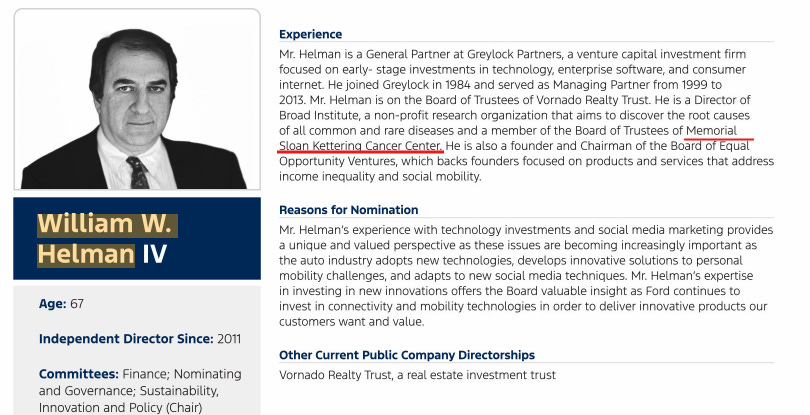
If traditional definitions of corporate governance still assume that “independent directors” operate at arm’s length from geopolitical and institutional complexity, the profile of William W. Helman IV suggests that assumption is no longer tenable.
Helman, an independent director of Ford Motor Company since 2011, holds influential positions across venture capital, biomedical research, and nonprofit governance. He serves on Ford’s Finance and Nominating and Governance Committees and chairs Sustainability, Innovation and Policy—placing him at the center of how the company evaluates long-term strategic risk.
At the same time, he is a General Partner at Greylock Partners, a major force in early-stage technology investment, and a trustee or board member of leading scientific institutions including the Broad Institute and Memorial Sloan Kettering Cancer Center (MSKCC).
Individually, these roles reflect prestige and influence. Collectively, they reveal something more complicated: deep embedding in global systems where technology, healthcare, and international collaboration increasingly intersect with state-linked structures and strategic competition.
Biomedical Governance in a Globalized—and Uneven—System
Institutions like MSKCC and the Broad Institute sit at the forefront of biomedical innovation, including oncology, genomics, and data-intensive research. These are fields no longer confined to purely academic or clinical domains; they carry growing strategic significance due to their implications for biotechnology, population health data, and advanced therapeutics.
As a trustee of MSKCC, Helman is part of the governance structure responsible for overseeing institutional direction, partnerships, and ethical frameworks. That responsibility extends, at least in principle, to how the institution engages internationally.
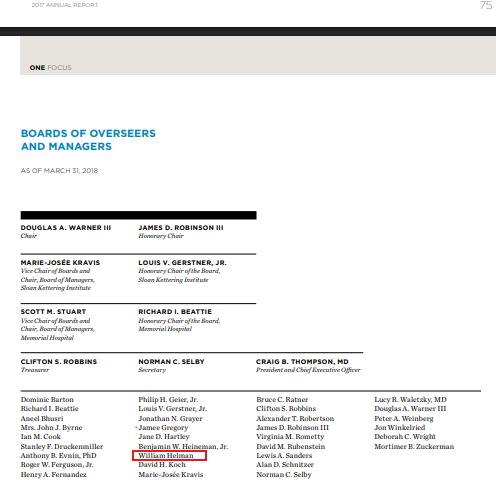
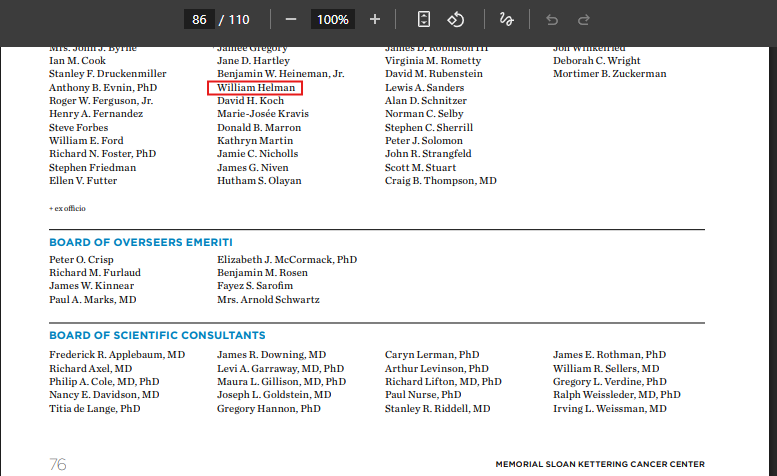
And those engagements are not abstract.
Global Health Collaboration or Network Convergence?
In December 2023, MSKCC co-hosted the inaugural Cure4Cancer conference in New York alongside the China Thoracic Oncology Group (CTONG) and the Asia Society Policy Institute. The event brought together more than 200 participants, including cancer experts, public health leaders, biotech executives, hospital CEOs, advocacy groups, and policymakers, under the banner of advancing “global health equity.”
The stated goal—accelerating collaboration to improve cancer outcomes—is broadly uncontroversial. But the structure of the participating network warrants closer examination.
Publicly available information shows that CTONG’s member institutions include entities such as:
PLA-affiliated hospitals (including the former PLA 307 Hospital, now part of the PLA General Hospital system)
Military-region general hospitals such as those tied to the Nanjing Military Command
both under Joint Logistics Support Force of PLA founded by Xi Jinping.
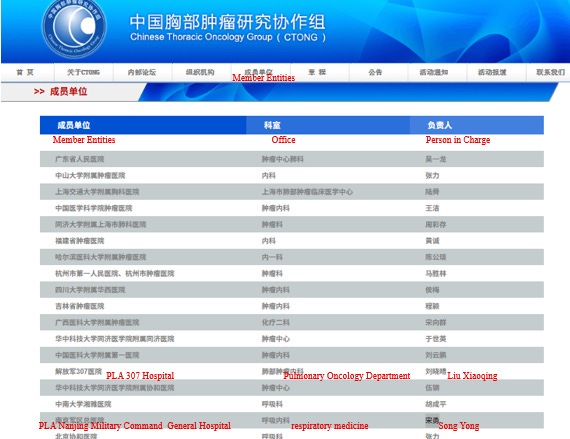
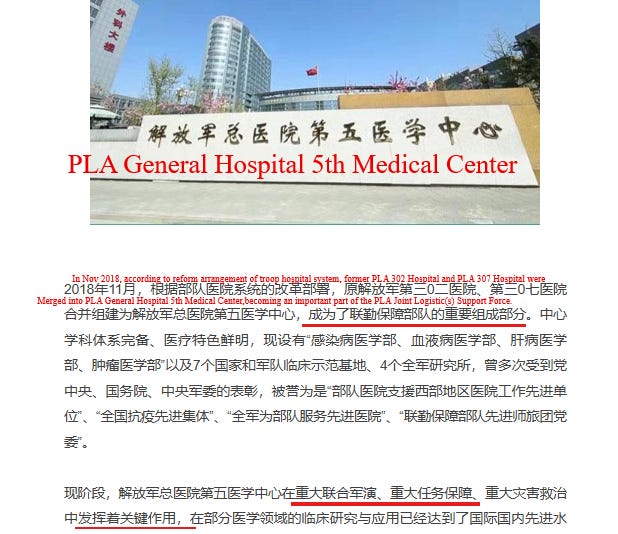
These are not purely civilian medical institutions. They operate within a system where military, research, and healthcare functions are often intertwined.
Institutional Responsibility Without Direct Participation
There is no indication that Helman personally participated in the Cure4Cancer conference or in any specific collaboration with CTONG. That is not the point.
The relevant issue is institutional governance:
As a trustee, Helman is part of the body that oversees MSKCC’s global engagement strategy
That strategy includes partnerships and convenings involving organizations with military-linked components
These interactions take place within a broader system where data, research, and expertise may have dual-use implications
This creates what can be described as second-order exposure—not direct involvement, but governance-level connection to complex international networks.
The Asia Society Link and Cross-Sector Convergence
The involvement of the Asia Society in the Cure4Cancer initiative adds another layer. The Asia Society ecosystem overlaps with figures such as John L. Thornton, another Ford board member with extensive ties to Chinese institutions.
This highlights a broader pattern:
finance, policy, academia, and healthcare are no longer operating in silos—they are converging through shared platforms and networks.
Cure4Cancer itself explicitly aims to unite:
Governments and regulators
Industry and investors
Academic and medical institutions
Advocacy groups and media
Such “whole-of-society” frameworks increase collaboration—but also reduce separation between domains that were once more clearly distinct.
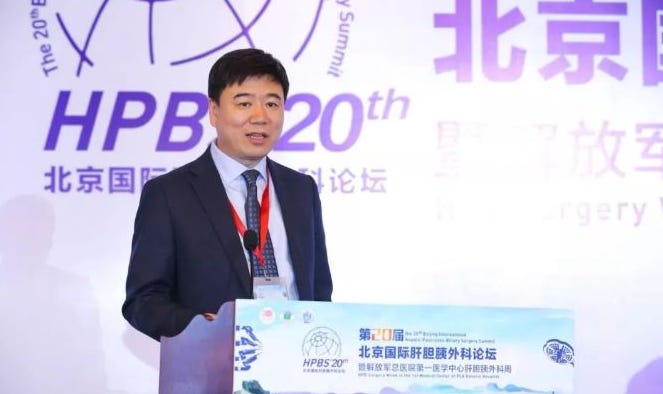
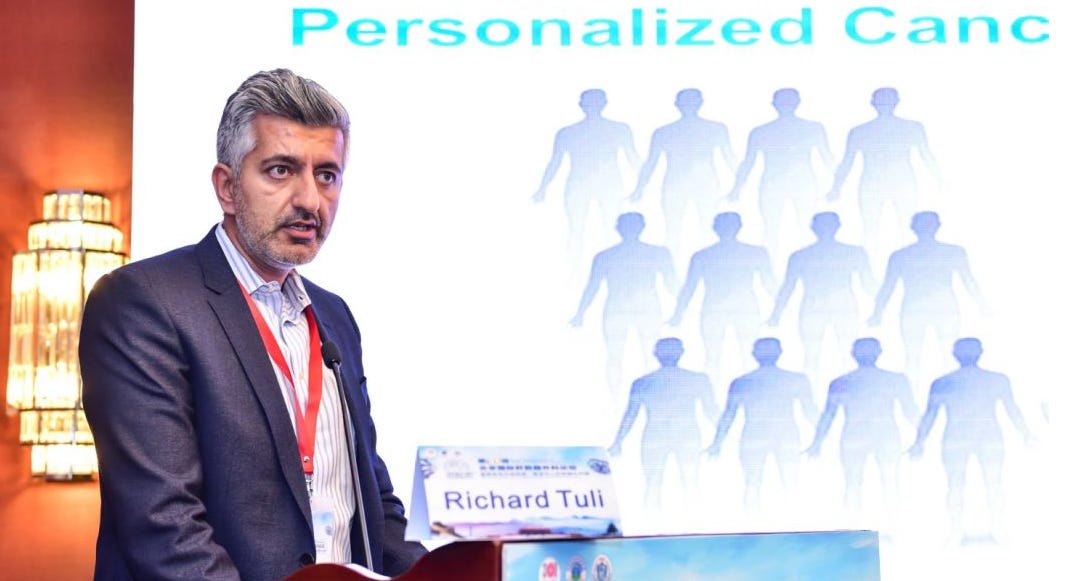
Importantly, this pattern of engagement is not limited to the 2023 Cure4Cancer conference. Earlier examples show a longer trajectory of interaction. In 2019, a physician from Memorial Sloan Kettering Cancer Center, Dr. Richard Tuli, participated in the 20th Beijing International Hepatobiliary and Pancreatic Surgery Forum, an event hosted by institutions directly affiliated with the Chinese PLA medical system, including departments of the PLA General Hospital. This demonstrates that MSKCC-linked participation in exchanges involving military-associated medical institutions predates recent initiatives and reflects an ongoing pattern rather than a one-off collaboration. For governance analysis, the implication is straightforward: the issue is not a single conference, but a sustained set of institutional interactions occurring over multiple years within complex, state-linked environments
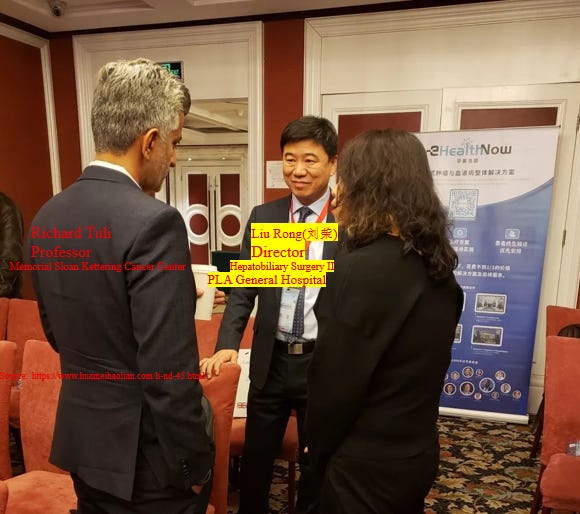
.
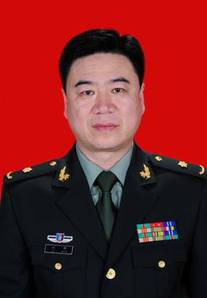
Liu Rong(刘荣):
I. Education Background
1981.09-1986.07 Bachelor of Clinical Medicine, Lanzhou Medical College
1990.09-1993.07 Master of Hepatobiliary Surgery, Second Military Medical University
1993.09-1995.07 Doctor of Hepatobiliary Surgery, Second Military Medical University
II. Work Experience
1986.07-1990.08 Resident Physician, Department of Oncology Surgery, First Affiliated Hospital of Lanzhou University
1995.07-1998.06 Attending Physician, Department of Hepatobiliary Surgery, General Hospital of the People’s Liberation Army
1998.07-2003.09 Associate Professor, Deputy Chief Physician, and Master’s Supervisor, Department of Hepatobiliary Surgery, General Hospital of the People’s Liberation Army
2003.09-2005.09 Professor (Qualified), Chief Physician (Qualified), and Doctoral Supervisor, Department of Hepatobiliary Surgery, General Hospital of the People’s Liberation Army
2005.09-2008.12 Professor, Chief Physician, and Doctoral Supervisor of Hepatobiliary Surgery, Department of Surgical Clinical Medicine, PLA General Hospital
2008.12-2011.05: Deputy Director of Administration, Professor, Chief Physician, and Doctoral Supervisor of Hepatobiliary Surgery, Department of Surgical Clinical Medicine, PLA General Hospital
2011.05-2013.12: Deputy Director of Administration, Professor, Chief Physician, and Doctoral Supervisor of Oncology Surgery, Department of Internal Medicine, PLA General Hospital
2013.12-2016.09: Director of Administration, Professor, Chief Physician, and Doctoral Supervisor of Department of Oncology Surgery II, Department of Internal Medicine, PLA General Hospital
2016.09-Present: Director of the PLA General Hospital Hepatobiliary Surgery Research Institute, Department of Surgical Clinical Medicine, PLA General Hospital; Director of Administration, Professor, Chief Physician, and Doctoral Supervisor of Department of Hepatobiliary Surgery II
Venture Capital and Strategic Technology Exposure
Helman’s long tenure at Greylock Partners adds further complexity. Venture capital firms play a central role in shaping the future of:
Artificial intelligence
Enterprise software
Data infrastructure
These sectors are increasingly subject to national security scrutiny due to their dual-use potential and strategic importance.
A director operating simultaneously in:
Venture capital
Biomedical governance
Global institutional collaboration
is positioned at the intersection of multiple high-sensitivity domains.
Rethinking Independence
Under current governance standards, Helman qualifies as independent. He has no direct employment relationship with Ford and no obvious financial conflict tied to the company.
But this definition is narrow—and increasingly outdated.
It fails to account for:
Institutional affiliations with global reach
Indirect exposure to state-linked systems
Cross-sector networks where influence flows through relationships rather than contracts
Independence, in today’s environment, is not just about who pays you.
It is about which systems you are embedded in—and how those systems interact.
Conclusion
William W. Helman IV’s profile does not point to misconduct. But it does reveal how modern governance risk operates.
Not through clear-cut conflicts of interest.
Not through direct actions alone.
But through networks—of institutions, collaborations, and overlapping domains where boundaries between civilian, commercial, and state-linked activity are increasingly blurred.
For a company like Ford, this raises a critical question:
Is formal independence enough, or should boards begin evaluating the deeper structural environments their directors are part of?
Until that question is addressed, the label “independent director” risks describing a legal status—rather than a meaningful safeguard.
No comments:
Post a Comment