 Introduction: The Forgotten Wall in the Sky
When Western observers analyze China’s vast apparatus of information control, discussion invariably turns to the Great Firewall (GFW)—the complex digital filter of IP blocking, keyword filtering, and algorithm-driven censorship that shields the Chinese internet.
Yet, years before the first lines of the GFW’s code were written, the Chinese Communist Party (CCP) identified a different existential threat to its monopoly on truth: uncensored satellite television signals beaming directly into Chinese living rooms from the sky.
On October 5, 1993, then-Premier Li Peng signed State Council Decree No. 129, formally titled the Regulations on the Administration of Satellite Television Broadcasting Ground Receiving Facilities. Amended over the decades and reinforced by implementation rules from the Ministry of Radio, Film, and Television, this decree established a sweeping, criminalized ban on private ownership of satellite receiving equipment—popularly known across China as “satellite pots” or “dish antennas.”
To view Decree No. 129 merely as a technical regulation on broadcasting hardware is to fundamentally misunderstand its political intent. It remains one of the most effective tools of cognitive isolation in modern history—a law explicitly designed to deny citizens access to unfiltered global news, enforce state-sponsored narrative washing, and solidify total ideological control.
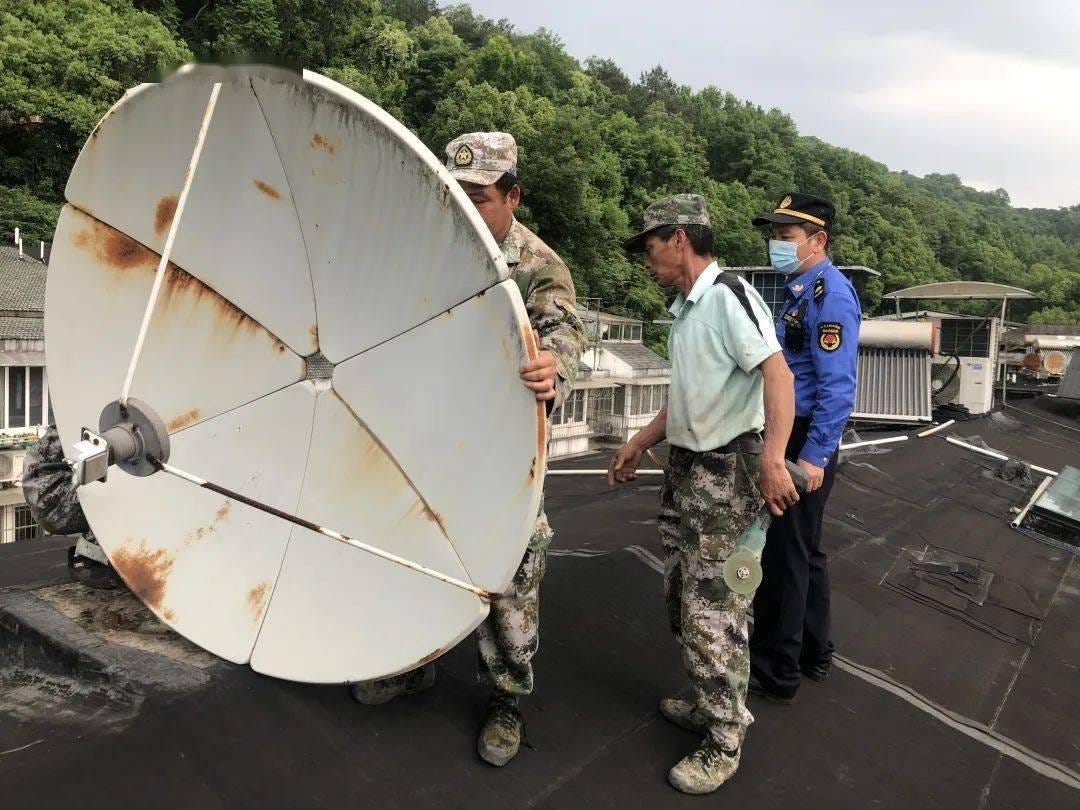
1. The Mechanics of Isolation: “Forbidden Unless Explicitly Permitted”
Decree No. 129 operates on a totalitarian legal premise: the complete prohibition of private ownership, paired with an extraordinarily narrow, highly monitored exception for approved institutions.
Article 8 of the Decree establishes the core prohibition in uncompromising terms: “No individual may install or use satellite ground receiving facilities.”
第八条 个人不得安装和使用卫星地面接收设施。
如有特殊情况,个人确实需要安装和使用卫星地面接收设施并符合国务院广播电影电视行政部门规定的许可条件的,必须向所在单位提出申请,经当地县、市人民政府广播电视行政部门同意后报省、自治区、直辖市人民政府广播电视行政部门审批。
The law erected a complete state monopoly across every node of the supply chain:
Production and Distribution Barriers: Manufacturing satellite receivers without state licenses was outlawed. Certified factories were legally restricted to selling equipment strictly to state-authorized installation agencies. Commercial retail, online sales, or personal trade were flatly prohibited.
Import and Border Interdiction: Article 5 explicitly banned individuals from bringing, mailing, or importing satellite equipment or specialized components into the country, giving customs agencies sweeping authority to confiscate hardware at the border.
Strict Institutional Segregation: Under the implementation rules, only high-tier state organs, major educational and scientific research institutions, foreign-invested financial entities, and high-end international hotels could apply for permits to receive foreign satellite signals. Even within these privileged enclaves, the signal was legally required to be contained within designated areas and barred from internal distribution systems.
By criminalizing the hardware itself, the Party eliminated the need to selectively censor specific TV programs. The sky was effectively declared a state-managed border.
2. The Cognitive Void: Blocking the Truth of Historical Atrocities
The timing of Decree No. 129’s enactment in late 1993 was far from coincidental. In the immediate aftermath of the 1989 Tiananmen Square massacre, international news networks like the BBC, CNN, and NHK provided the global public with unfiltered video evidence of the military crackdowns. Within China, citizens who managed to set up early satellite dishes gained brief, unmediated access to international reporting that exposed the state’s domestic narratives.
Decree No. 129 was the structural hammer designed to shatter that access. By eliminating satellite dishes, the regime achieved several vital objectives in its ongoing campaign of historical erasure and ideological control:
Memory Suppression: It permanently cut off ordinary households from international investigative reporting on historical state atrocities, including the 1989 crackdown, systemic human rights abuses in regional borderlands, and forced assimilation campaigns.
Domestic Monopoly on Reality: Stripped of foreign news alternatives, citizens were left with a single, state-directed pipeline: China Central Television (CCTV) and regional state broadcasters. News was transformed from an observational record of events into a curated tool of state pedagogy, designed to build uncritical compliance and foster state-directed nationalism.
Shielding State Disinformation: When domestic crises occurred—ranging from industrial disasters and public health cover-ups to economic downturns—the absence of foreign broadcast signals prevented alternative narratives from gaining a foothold among the general public.
3. Physical Raids and the Law of Fear
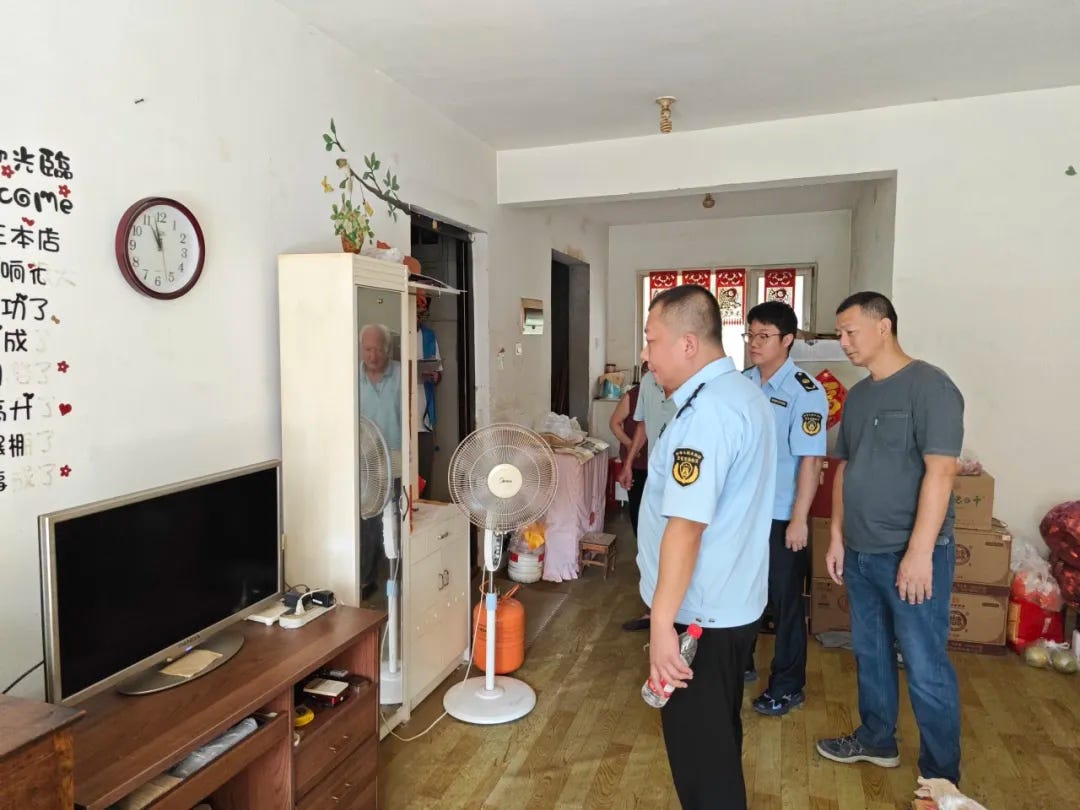
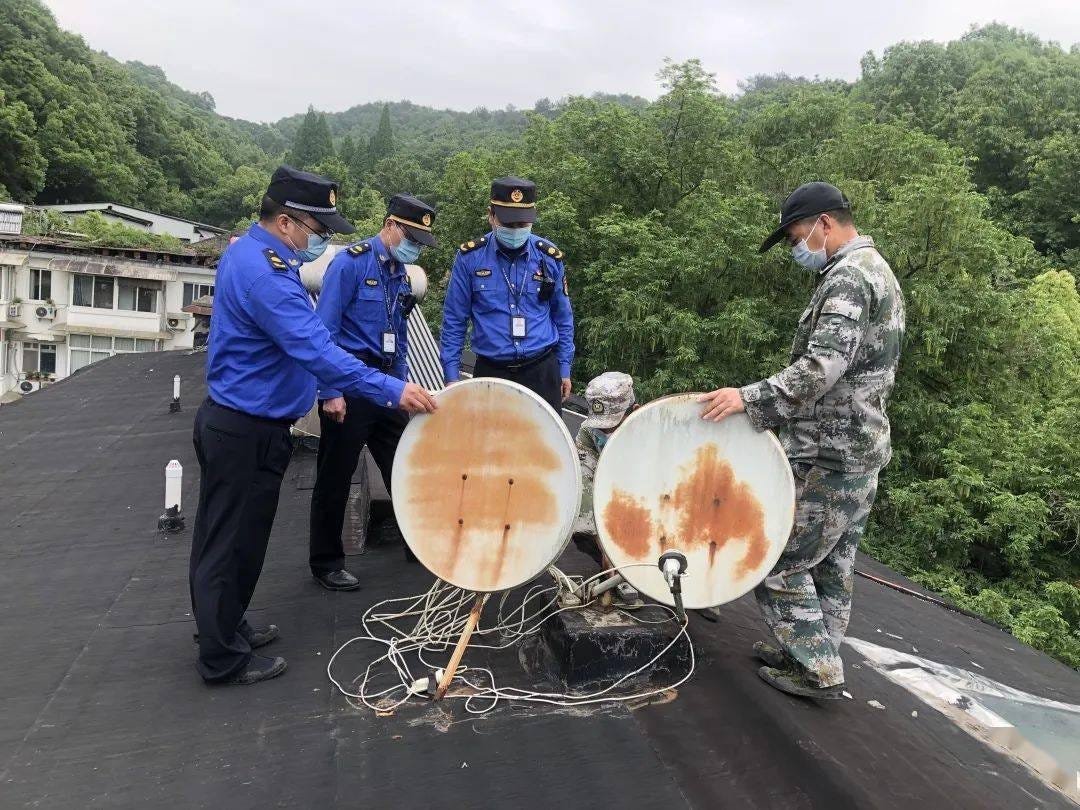
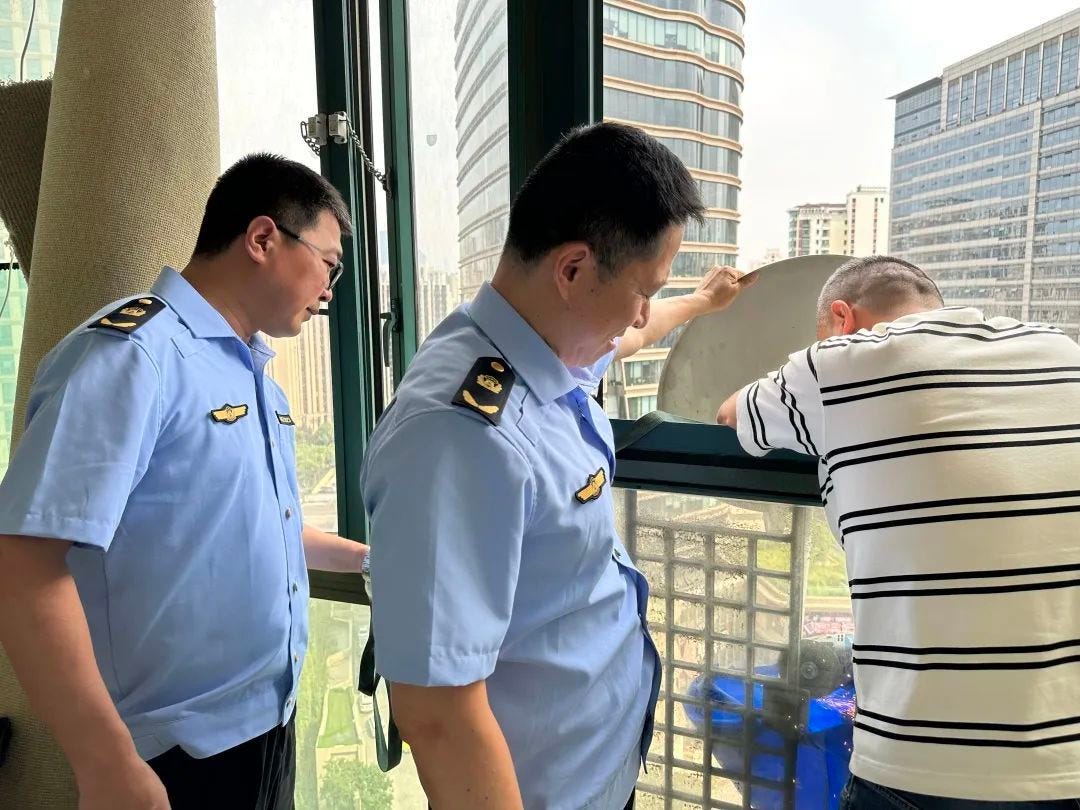
The enforcement of Decree No. 129 created a permanent police apparatus focused on domestic rooflines. Across Chinese cities and rural villages, local broad-casting bureaus, accompanied by public security officers, routinely conducted sweep operations to identify and destroy unregistered satellite dishes.
Under Article 10 of the Decree, unauthorized individuals faced property confiscation and heavy administrative fines. Local municipal governments frequently offered cash rewards for citizens to inform on neighbors who had installed hidden “pots” on balconies or rooftops.
”第十条 …违反本规定,擅自安装和使用卫星地面接收设施的,由广播电视行政部门没收其安装和使用的卫星地面接收设施,对个人可以并处5000元以下的罚款,对单位可以并处5万元以下的罚款。”
This enforcement model went beyond physical confiscation. It embedded a culture of fear and horizontal surveillance into daily life. Citizens were reminded that seeking unapproved information was not merely a passive act of curiosity, but a active violation of state security laws.




4. From Satellite Dishes to the Great Firewall: A Continuous Architecture
Decree No. 129 established the intellectual and legal precedent for all subsequent censorship infrastructure in China. When internet technology began to proliferate across the country in the late 1990s and early 2000s, the Party applied the exact same philosophy that governed satellite dishes to digital packets.
The Great Firewall, data localization mandates, the ban on unauthorized Virtual Private Networks (VPNs), and strict app store censorship are simply digital evolutions of Decree No. 129. The underlying doctrine remains unchanged: foreign information streams are inherently dangerous, private access without state licensing is illegal, and the state reserves the absolute right to mediate all external communication entering the home.
Conclusion: The Human Cost of Information Deprivation
The ban on satellite ground receiving facilities deprived millions of Chinese citizens of their basic human right to seek, receive, and impart information through any media, regardless of frontiers—a principle enshrined in Article 19 of the Universal Declaration of Human Rights.
By dismantling the satellite dishes that once dotted urban apartments and rural homes, Beijing successfully isolated its population inside an artificially constructed reality. Decree No. 129 stands as a stark historical reminder that before an authoritarian state can rewrite history or engineer public consent, it must first successfully clear the rooflines of any device that dares to look toward the open sky.
No comments:
Post a Comment