
When Western observers analyze China’s supreme state organ, the National Soviet Assembly of Communist China (National People’s Congress), attention naturally focuses on high-ranking PLA commanders, theater leads, and political commissars. Yet, the systemic institutional distortion runs much deeper.
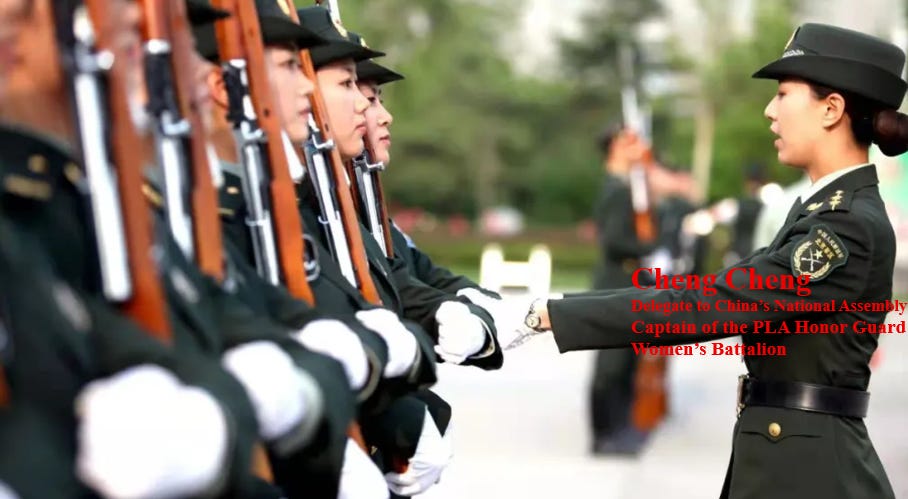
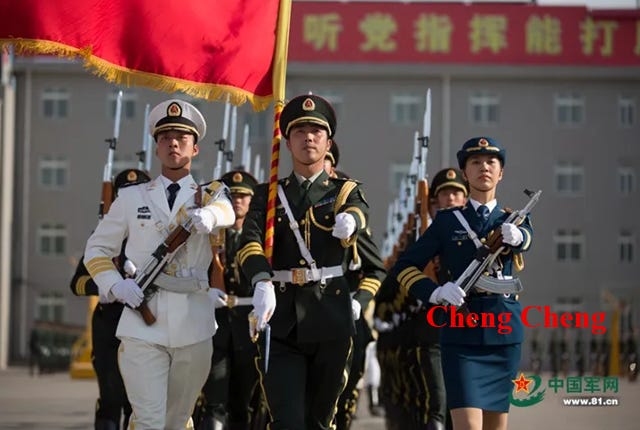
Consider the case of Cheng Cheng (程诚): Captain of the PLA Honor Guard Women’s Battalion and a delegate to the 13th National Soviet Assembly. Celebrated by state media as a “national card” for her participation in foreign head-of-state welcome ceremonies and major military parades, Cheng embodies the ultimate party-state narrative of militarized patriotism and service.
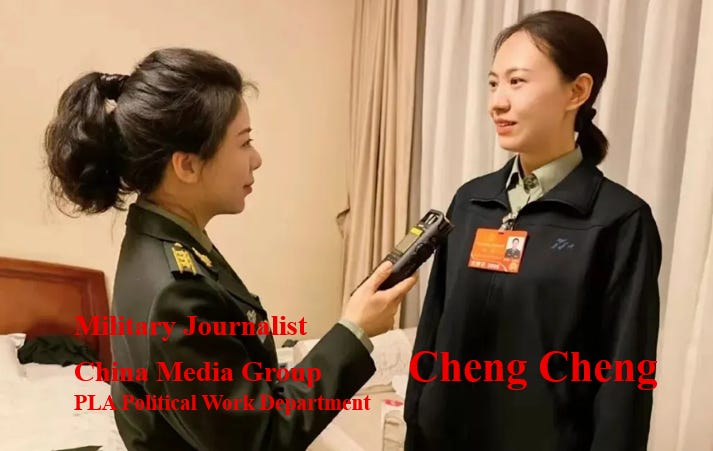
Behind the military parades, state receptions, and televised profiles, however, lies an inherent structural conflict: An active-duty military officer, strictly bound by military chain-of-command and executive control, simultaneously acting as a national legislative representative.
       [ Party-State Executive & Military Command ]
             (Central Military Commission / Central Committee)
                               │
               ┌───────────────┴───────────────┐
               ▼                               ▼
  [ Active-Duty Executive Execution ]   [ Legislative Oversight Illusion ]
  • Commander, PLA Honor Guard          • Delegate, National Soviet Assembly
  • Enforces state ceremonial duties    • Supposedly audits defense budgets &
  • Subject to absolute military obey   • Formally votes on state policy
               │                               │
               └───────────────┬───────────────┘
                               ▼
     【 Collapse of Separation of Powers & Military Neutrality 】
1. The Fundamental Erasure of Executive-Legislative Separation
The foundational principle of constitutional governance and the separation of powers requires a strict division between the lawmaking body (the legislature) and the coercive execution apparatus (the military and executive branch).
In a constitutional democracy, active-duty military officers are strictly barred from holding legislative office. The rationale is absolute: a soldier cannot serve the executive chain of command while simultaneously evaluating, auditing, or enacting laws that govern that same executive branch.
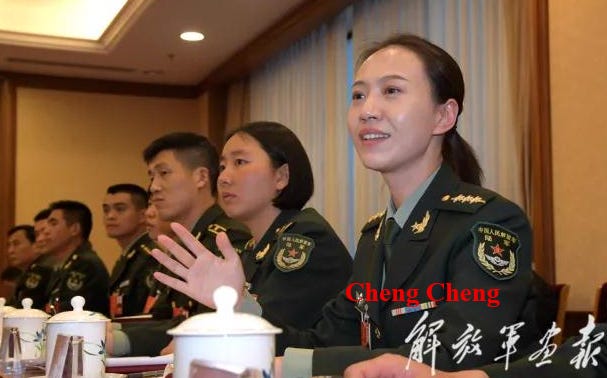
When Cheng Cheng votes on national budgets, state institution reforms, or legislative bills inside the National Soviet Assembly while maintaining her active-duty commission as a PLA Captain:
The Overseer is the Overseen: As a delegate, she is nominally tasked with inspecting state performance and reviewing administrative reports. As a uniformed officer, she is an active employee of the state’s military apparatus.
Institutional Conflict of Interest: The military branch effectively deliberates on its own laws, evaluates its own performance, and approves its own defense resource allocations without independent civilian oversight.
2. The Illusion of Representation Under Command Discipline
In democratic legislatures, representatives owe their primary allegiance to their local constituents, exercising independent judgment and debate. In contrast, an active-duty PLA officer operates under total party-military discipline:
Subordination to Political Discipline: Cheng Cheng’s entire career—from her training at the Bethune Medical Officer Academy to her leadership of the honor guard—is built on absolute obedience to Central Military Commission orders.
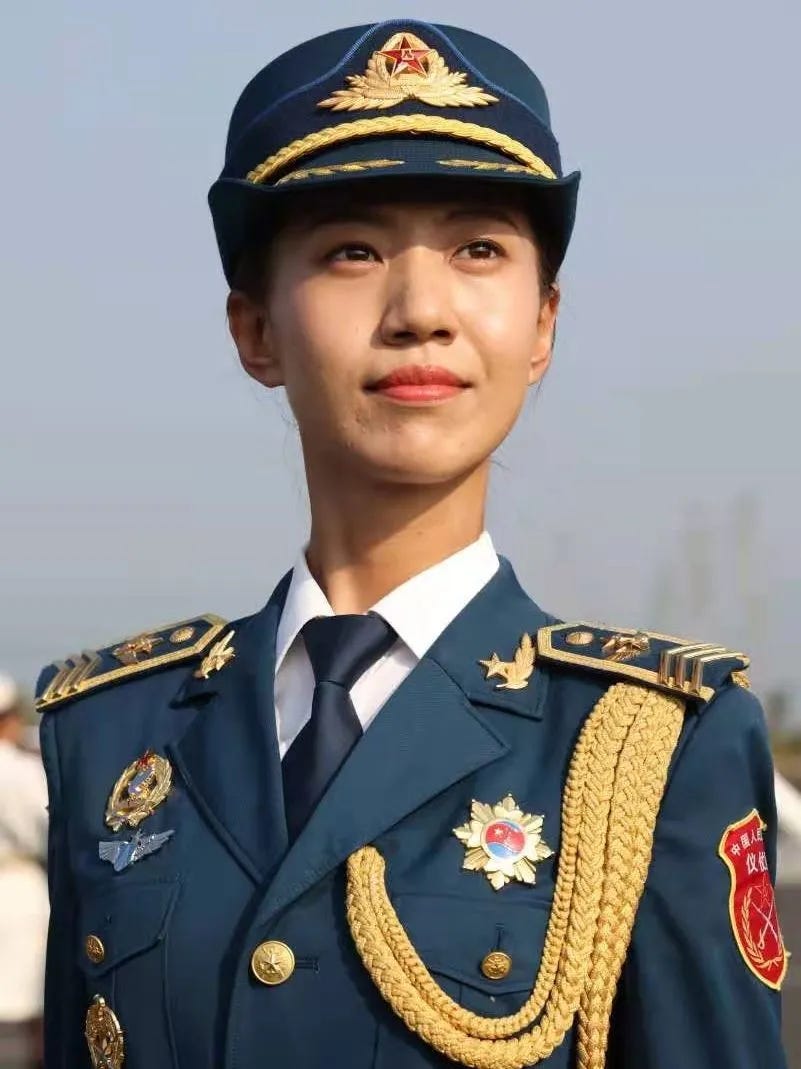
Cheng Cheng, Captain of the PLA Honor Guard Women’s Battalion中国人民解放军仪仗大队女兵中队中队长程诚 The Impossibility of Independent Advocacy: A legislative delegate who is bound by military oaths and subject to court-martial for insubordination cannot independently challenge executive policy, critique military expenditures, or represent civilian interests if they conflict with party-military directives. Legislative participation becomes an exercise in political compliance rather than democratic representation.
3. Weaponizing Propaganda to Mask Structural Totalitarianism
Why does the regime promote individuals like Cheng Cheng into legislative roles rather than restricting the assembly to civilian politicians?
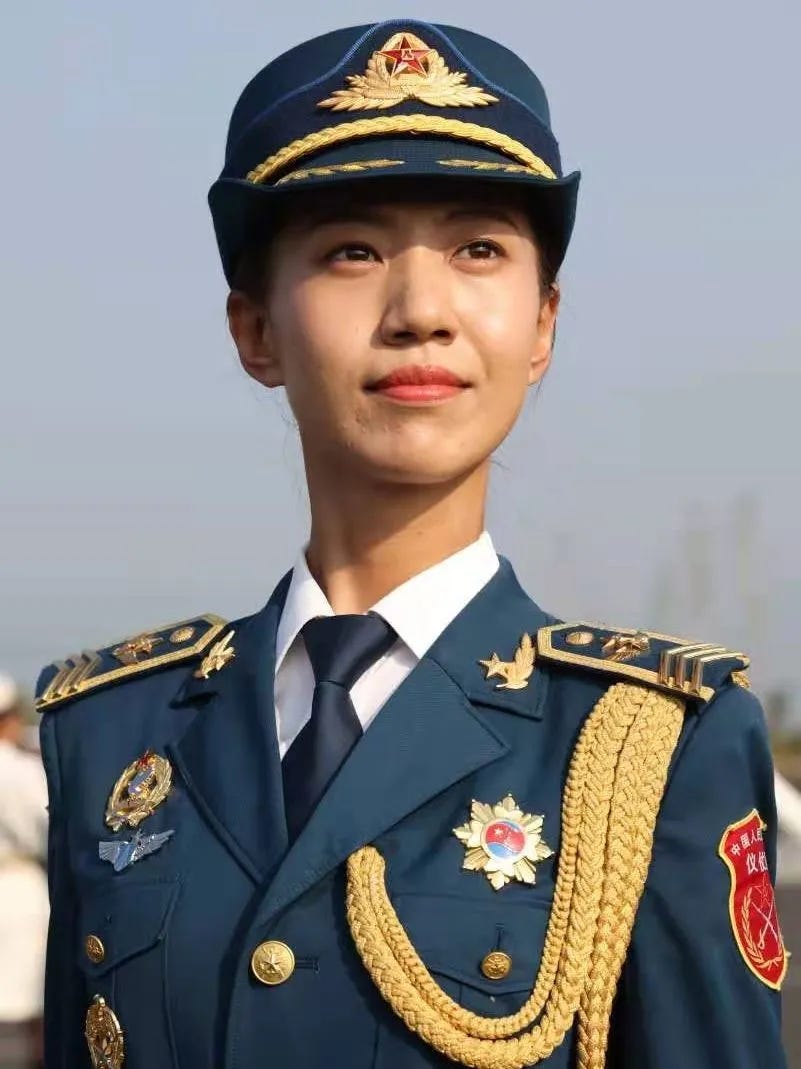
Humanizing the Coercive Apparatus: State media highlights Cheng’s personal sacrifices—growing 1.8 cm taller and losing her spot in a parade line-up, carrying 5 kg sandbags during goose-step drills to craft a narrative of dedication and discipline. This emotional framing diverts attention away from the severe structural flaw of military personnel sitting in the legislative chamber.
Normalizing Militarized Governance: By presenting a polished, charismatic female commando/captain as the face of the National Soviet Assembly, the regime normalizes the integration of the military into civilian lawmaking institutions, eroding the boundary between civil society and armed force.
Conclusion
Cheng Cheng’s dual role as an active-duty Honor Guard Captain and a National Soviet Assembly delegate is not a symbol of progressive governance—it is a textbook demonstration of structural authoritarianism.
When the personnel who execute state military power are the exact same people who sit in the legislative assembly to pass its laws, the separation of powers is completely eliminated. The presence of active-duty military officers in the national legislature ensures that the assembly remains an administrative echo chamber for the party-military state.
No comments:
Post a Comment