On March 20, 2026—the same day Tucker Carlson interviewed Jiang Xueqin—Zhu Yongxin, a strategic advisor to Jiang Xueqin’s employer Moonshot Academy, was participating in a high-level political study session at Peking University. The meeting brought together senior figures from the CCP’s propaganda and policy apparatus, including two former CCP Central Propaganda Deputy Ministers Cai Mingzhao and Tuo Zhen, and focused on implementing Xi Jinping’s directives and strengthening political alignment. While the overlap in timing may be coincidental, it underscores a broader reality: individuals connected to Jiang’s institutional network are actively embedded in ongoing high-level Party political processes.


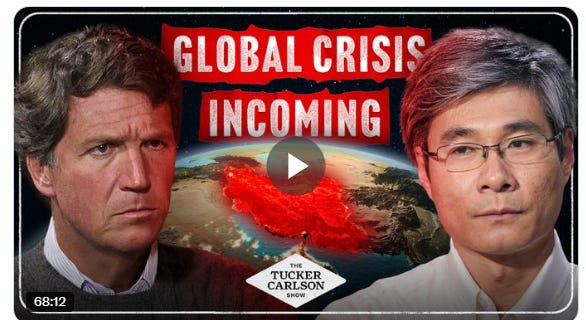
When Tucker Carlson released his March 20, 2026 interview featuring “Professor Jiang Xueqin,” the discussion ranged widely—from the Iran war to the collapse of Europe and the “destruction of Western civilization.”
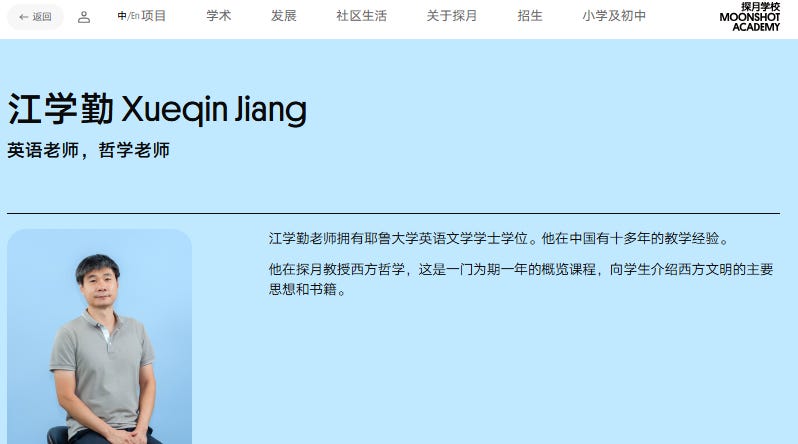
On the surface, Jiang is presented as an independent intellectual voice offering geopolitical foresight. But a closer look at his institutional affiliations—past and present—raises a more complicated question:
Who exactly is Jiang Xueqin speaking for?
A Career Inside China’s Elite Education System
Public information from 2017 shows that Jiang Xueqin held multiple influential roles:
Assistant Principal at the High School Affiliated with Peking University (PKU High School), while also serving as Director of its International Division
Assistant Principal at the High School Affiliated with Tsinghua University
Education columnist for outlets including China Youth Daily and The New York Times Chinese Edition
Author of Innovative China Education
These roles placed him squarely within China’s most prestigious secondary education institutions—schools that function not just as academic centers, but as pipelines for elite talent aligned with state priorities.

Transition to Moonshot Academy
Since 2022, Jiang has been teaching at Moonshot Academy (Beijing Chaoyang District Moonshot School), a private non-profit institution operating under China’s regulatory framework.
Moonshot Academy’s institutional evolution is revealing:
Originally linked to the international division of Tsinghua-affiliated education
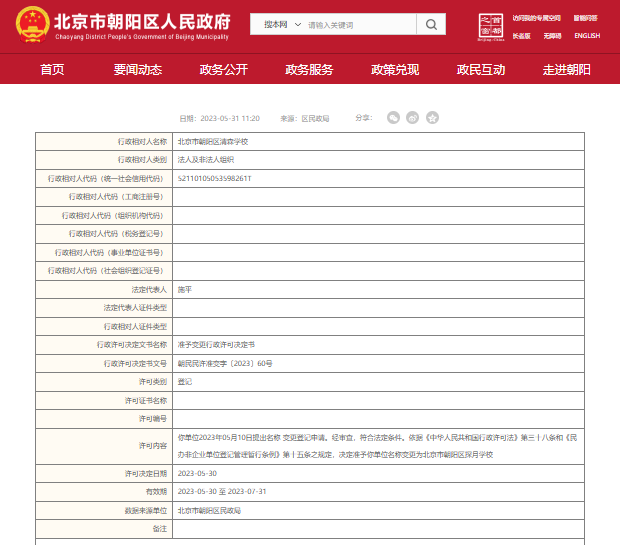
Renamed in March 2022 as “Qingsen School,” becoming one of the first private schools in Beijing to rebrand under tightening regulations
Achieved accreditation from the Council of International Schools (CIS) in July 2022
Fully severed legal ties with Tsinghua-affiliated entities by August 2022
Officially renamed “Moonshot Academy” in 2023 with approval from the Chaoyang District Education Commission
This restructuring aligns with a broader policy shift: the CCP tightening control over private education while forcing institutions to localize governance and reduce foreign branding.




Governance Under CCP Framework
Despite being labeled “private” and “non-profit,” schools like Moonshot Academy operate under strict political requirements.
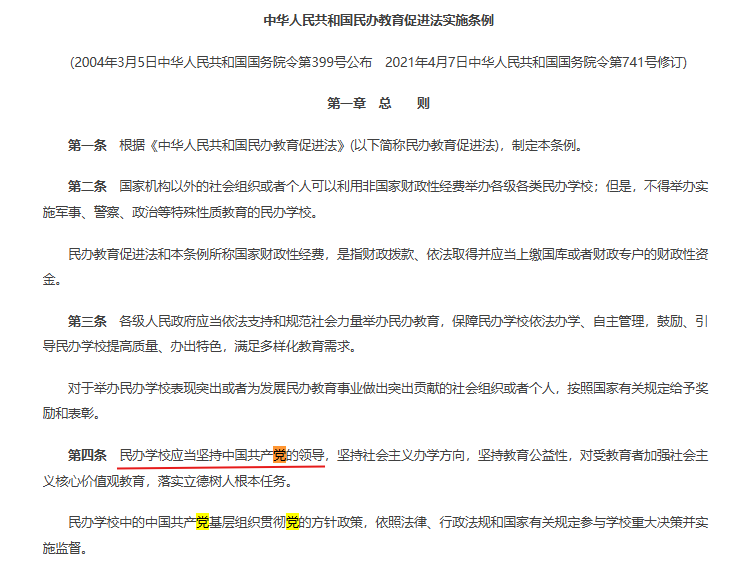
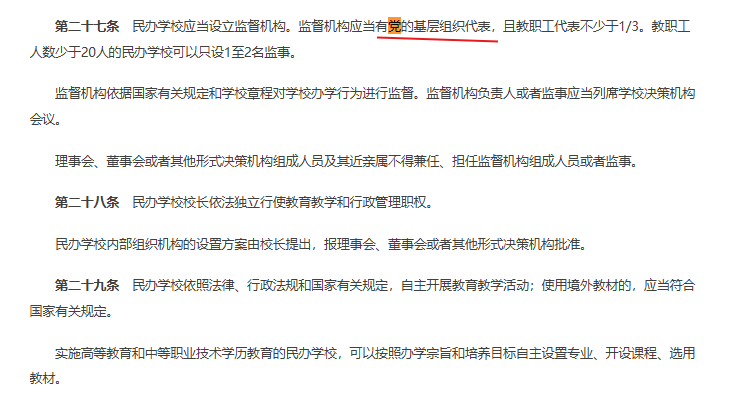
Under regulations issued by the State Council of the People’s Republic of China, private schools must:
Adhere to CCP leadership
Establish internal Party organizations
Include Party representatives in supervisory structures
In other words, governance is not independent in the Western sense. Political oversight is structurally embedded.
Moonshot Academy’s Party Secretary, Xie Rui, simultaneously serves as a member of its board of directors, while Sun Xuemei—Party Secretary of an affiliated primary school under Capital Normal University—also sits on the board. This arrangement is not incidental but mandated by law. Under the Regulation on the Implementation of the Private Education Promotion Law of the People’s Republic of China (revised in 2021), private schools are explicitly required to uphold CCP leadership, establish internal Party organizations, and include Party representatives in decision-making and supervisory bodies. The regulations further stipulate that Party organizations must participate in major school decisions and oversee their implementation. In practice, this means that governance structures in institutions like Moonshot Academy are designed to embed political authority directly into operational control—ensuring that “private” education remains aligned with CCP-defined ideological and policy objectives.

Advisory Board and United Front Links
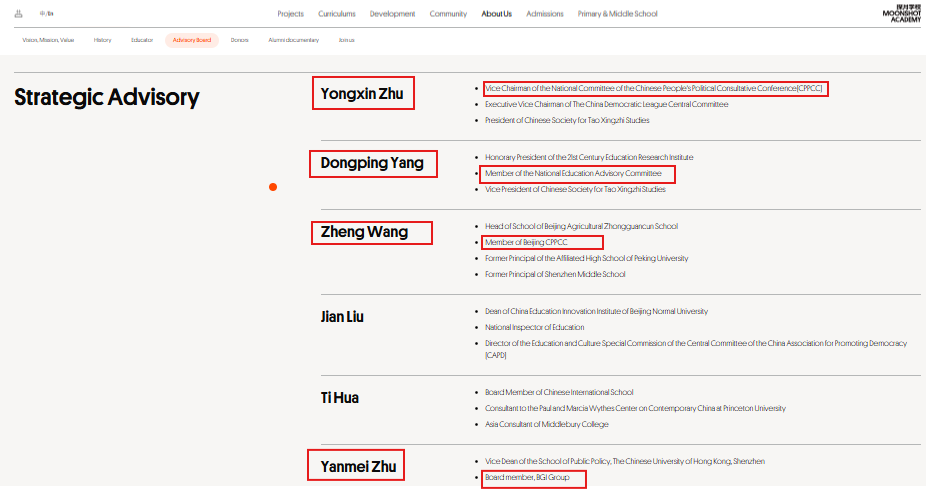
Moonshot Academy’s advisory structure adds another layer of complexity. Its Strategic Advisory Committee includes:
Zhu Yongxin, Vice Chairman of the Chinese People’s Political Consultative Conference
Wang Zheng (aka Zheng Wang), a Beijing CPPCC member
Zhu Yanmei(aka Yanmei Zhu), Board Member at BGI Group
The CPPCC is widely recognized as a central platform of the CCP’s United Front system—used to co-opt elites, manage influence, and integrate non-Party actors into Party-led governance structures.
Military-Linked Scientific Networks
The presence of BGI-linked leadership is not just symbolic. The company has documented cooperation with the Academy of Military Medical Sciences, a research body under the People’s Liberation Army (PLA).


Further connections emerge through recent activities involving Zhu Yongxin(aka Yongxin Zhu):
On January 14, 2026, Zhu participated in a biopharmaceutical research meeting alongside Cao Xuetao, a PLA Major General and director of a national immunology laboratory
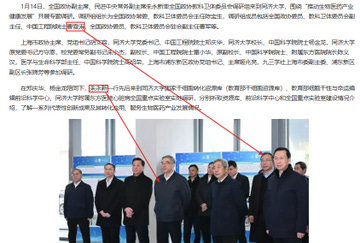
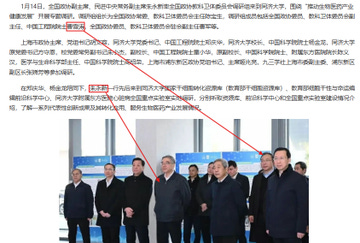


On January 9, 2026, Cao delivered a lecture at a CPPCC science forum attended by Zhu and other senior political figures
These intersections highlight a recurring pattern: education, political advisory bodies, and military-linked scientific institutions are not isolated silos—they operate within an integrated ecosystem.
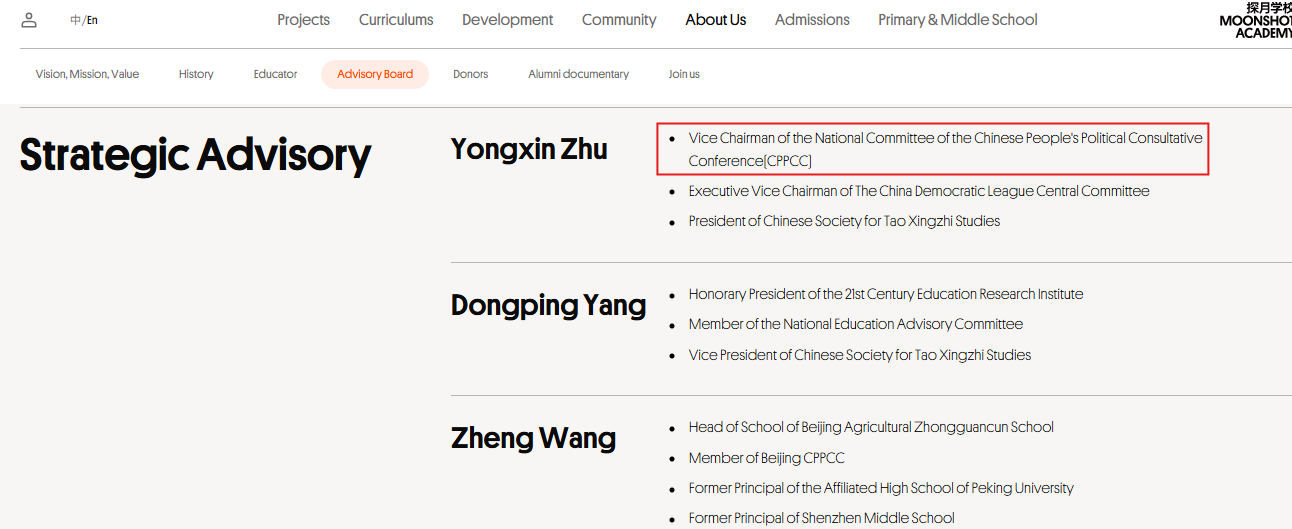
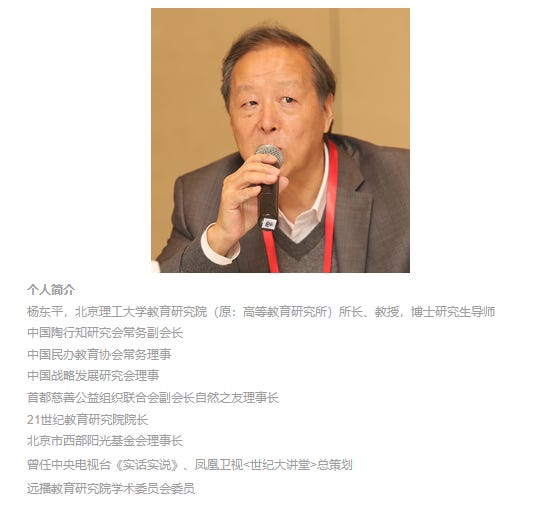
Another key figure on Moonshot Academy’s Strategic Advisory Committee is Yang Dongping, a highly influential educator and scholar with deep ties to China’s elite academic and political structures. Yang is a professor and director at the Beijing Institute of Technology’s Education Research Institute, specializing in higher education theory, modernization, and educational equity. His career spans decades of leadership in CCP-aligned research and advisory bodies: he serves on the National Education Advisory Committee, is the executive vice president of the China Tao Xingzhi Research Society, and holds multiple roles in China’s private education and strategic development associations. Yang has authored research on China’s educational modernization, including the book A Difficult Sunrise, and has supervised graduate programs in higher education. His advisory role at Moonshot Academy, combined with his institutional connections, signals that the school’s governance is closely intertwined with CCP-influenced educational thought, reinforced by his affiliation with Beijing Institute of Technology, an institution designated by the U.S. Department of Commerce for national security concerns.


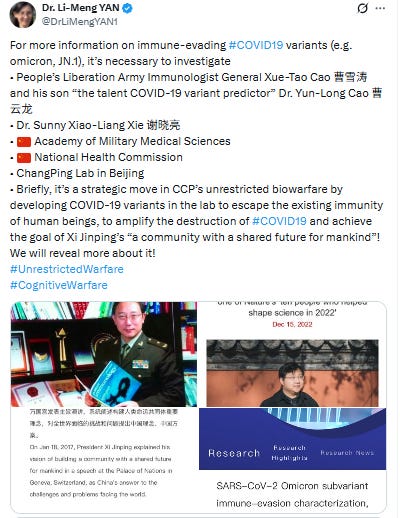
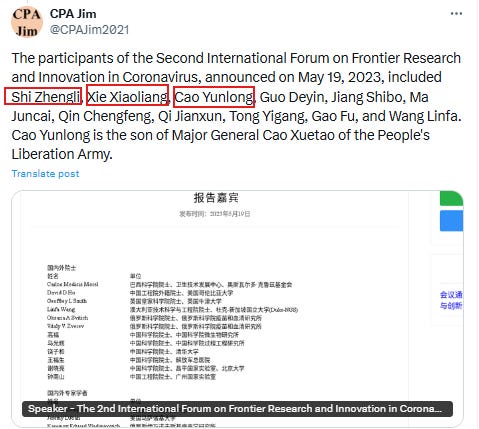
On March 20, 2026—the very day Tucker Carlson interviewed Jiang Xueqin—one of Jiang’s employer’s strategic advisors, Zhu Yongxin, was sitting in a high-level Beijing meeting with former senior CCP Central Propaganda Department officials Cai Mingzhao and Tuo Zhen, as well as Ding Xuedong, a Central Committee member. The meeting also included Xie Xiaoliang, tied to the PLA’s Academy of Military Medical Sciences. Public reports, including from Li-Meng Yan, highlight these same actors in networks connected to military-linked virology research, immune-evading COVID-19 variants, and state-directed scientific projects. The takeaway is clear: the people behind Jiang’s “independent” academic voice are deeply embedded in CCP political, propaganda, and military-scientific systems—a context that Tucker Carlson did not disclose to his audience.


The Interview: Narrative Framing Matters
Now go back to the Carlson interview.
Jiang discusses:
The Iran war trajectory
Nuclearization of Japan
Collapse scenarios for Europe
The “end of Western civilization”
These are not random topics. They align closely with:
Strategic anxiety amplification
Western decline narratives
Global instability framing
The key issue is not whether Jiang is intelligent or articulate—he clearly is.
The issue is context.
The Core Question
When someone embedded in:
CCP-regulated education structures
A school overseen by united front-linked advisors
Networks overlapping with military-linked biotech actors
…appears on a major Western platform to explain global geopolitical futures—
Is this just analysis? Or is it influence?
Bottom Line
Jiang Xueqin is not an isolated academic voice.
He operates within:
A politically supervised education system
Institutions requiring CCP organizational presence
Advisory networks tied to the united front system
Broader ecosystems intersecting with military-linked research
His analysis should be read with full awareness of the system behind him—not as a neutral, context-free perspective.
What This Means
Jiang Xueqin’s career is not unusual within China’s system—but it is highly illustrative.
From elite high schools tied to top universities, to a restructured private academy operating under CCP regulatory control, to advisory networks connected with United Front and military-linked actors, the pattern is clear:
Education is not politically neutral
Institutional independence is limited
Elite schools often sit at the intersection of policy, ideology, and influence networks
So when figures like Jiang appear in Western media spaces, it’s worth understanding the institutional context behind them—not just the individual.
Because in this system, the individual rarely stands alone.
This illustrates a recurring strategy of the CCP: rather than exposing top-level officials directly, the Party leverages a network of ostensibly “independent” academics, advisors, and educators to project influence abroad. By embedding political, military, and propaganda-linked actors within institutions that appear civilian or scholarly, the CCP can shape narratives in foreign media without revealing the true source of control. Audiences may perceive these voices as impartial expertise, when in reality they operate within tightly controlled Party and state structures. Understanding this networked strategy is essential to interpreting how and why certain perspectives about Taiwan, China, or CCP policy consistently appear in international discourse.
#Democracy #Christ #Peace #Freedom #Liberty #Humanrights #人权 #法治 #宪政 #独立审计 #司法独立 #联邦制 #独立自治