【路德社】北约秘书长、欧盟主席及欧洲五国领导人将与泽连斯基周一同赴华盛顿白宫意味着什么?川普称习近平给他承诺他当总统期间绝对不入侵台湾意味着什么...
 / @ludemedia5215
💰 打赏支持路德社:paypal.me/ludefangtan
📩 联系邮箱:
观众建议 / 选题合作:lutheranking2@gmail.com
媒体/商务合作:benoicasian@gmail.com
/ @ludemedia5215
💰 打赏支持路德社:paypal.me/ludefangtan
📩 联系邮箱:
观众建议 / 选题合作:lutheranking2@gmail.com
媒体/商务合作:benoicasian@gmail.com【路德社】美国防部政策事务副部长,再次敦促,美国亚洲盟友的国防开支必须达到5%标准,这是强烈的对中共围剿交份子钱的规矩!亚洲版北约即将出现8/1...
/ @ludemedia5215
💰 打赏支持路德社:paypal.me/ludefangtan
📩 联系邮箱:
观众建议 / 选题合作:lutheranking2@gmail.com
媒体/商务合作:benoicasian@gmail.comChina为何疯狂扭曲美俄会谈?一旦美俄联手,超限战将反噬习近平共产党!
/ @ludemedia002
➡️ 打赏“闫博士说”:paypal.me/ludefangtan四川不需要邓小平
1️⃣ 杀害
2️⃣ 酷刑
3️⃣ 暴力掠夺
4️⃣ 不经审判处决
5️⃣ 剥夺人道待遇
1949年后中共在四川的征粮、酷刑、处决等行为,完全符合《日内瓦公约》与《纽伦堡宪章》中的战争罪标准。四川1959–61年大饥荒中饿死1250万人。很多人因拒交粮被划为“反革命”提前剥夺粮配。灌县1400多人被指“破坏统购统销”遭捕,许多人死于狱中。构成大规模杀害平民。
四川什邡、郫县等地对“反社会主义分子”实行游街、毒打、公开侮辱、夜间吊打、劳改营强迫劳动等。构成酷刑与非人道待遇,违反战争法基本准则。1949年底,邓小平命令“强制征粮”救济中共军队与接收系统,未付款、无合同,直接派工作队压村,抵抗即判刑。构成对平民财产的系统性掠夺。石柱县陈树清等人为反抗强征粮而“暴动”,次年被公开枪决,无辩护程序、无司法文件,仅以公社通报代替判决。违反公正审判权,构成战争罪中的“未审即处决”。雅安宝盛事件:农民饥荒中组织“救命军”起义,仅因夺枪反抗征粮,遭军队围剿、抓捕、枪决,未作司法区分。
✅镇压民众生存性起义,构成战争罪中“镇压起义平民”。以上受害者并非武装军队。很多人反抗是因家中缺粮,亲人饿死。镇压他们的“军警”由西南军区调派。
✅战争罪核心构成:暴力针对非战斗人员。
《日内瓦公约》第三条适用于非国际性武装冲突
即便是国家内部的冲突,只要武装力量与国家军队发生持续性暴力冲突,即构成内战,适用人道法义务:
“在一国内部发生武装冲突时,冲突各方必须遵守最低人道标准,例如禁止杀害、酷刑、不经审判即处决。”
四川1950–60年代确为非国际性武装冲突
✅ 中共调动军队、武警、特务围剿农民起义(如石柱、宝盛)
✅ 起义者组成组织、有武器、有明确政治诉求(生存、反征粮)
✅ 形成“国家 vs 被压迫民众”结构,完全符合非国际性武装冲突定义
暴力反抗 ≠ 自动违法
国际法承认:若国家行为严重违反基本人权(如大规模饥饿、酷刑、镇压言论),人民有正当理由反抗暴政。
⚖️《世界人权宣言》第21条与《公民权利和政治权利国际公约》第1条:
“人民有权自由决定其政治地位,并为自身福祉采取行动。”
“执法”不能违反战争法与人道法
即使中共宣称是“执法”,也不能实行:
酷刑(吊打、游街示众、殴打致死)
不经审判即枪决
强迫失踪与劳改
暴力征粮不予补偿
这些行为无论名义为何,都构成战争罪与危害人类罪。
🚫 中共无法以“执法”掩盖其对平民的战争行为
🚫 法律上不能以“反对执法”为由合理化酷刑与屠杀
✅ 四川的农民起义是对大饥荒与暴政的绝望回应,属于国际法承认的抵抗暴政权利范畴
1950年代中共在四川以武力征粮、镇压反抗、制造大规模饥荒,构成严重战争罪。习近平政权虽非始作俑者,但通过持续掩盖、阻止追责与档案封锁,成为该罪行的共犯与继承者。
根据《日内瓦公约》与《罗马规约》精神,战争罪与危害人类罪不因时间而免除责任。
习近平政权长期掩盖四川饥荒死亡与武装镇压真相,直接阻碍国际社会调查,属于“延续性犯罪”。
1950–52年,邓小平主政西南,以60万解放军为基础,强征农粮,农民武装反抗遭血腥镇压。
1959–61年,饥荒中农民抢回口粮被公开枪决,官方称为“暴乱”。这些行为至今被列为国家机密。
四川大饥荒死亡数百万,李井泉为一个责任人。
但1989年,邓小平仍亲自批示要求“为李井泉正名”,指示温家宝出面安排新华社、《人民日报》公开“漂白”。李井泉之子申再望亲述:父亲去世后,他们写信请求邓小平为其“调粮政策”辩护。
邓不但亲自批示,还动用中办、中顾委、“中共中央评价”机制,为四川大饥荒的最大责任人洗白。邓小平作为原西南局书记与当时总书记,掌控四川政治路线,明知死人却选择稳住派系、维持路线,拒绝真相传播。
人日悼文称李“呕心沥血”“光明磊落”,只字不提四川数百万人死亡。
这就是中共“组织性遗忘”的机制:用官方语言消灭事实,用悼词粉饰罪行。
这不是无知,是政治庇护,是明知灾难仍掩盖真相。
四川征粮以暴力为基础:农民被搜粮、打死、活埋、吊打,只因吃了自己种的口粮。
申再望却借哈佛教授傅高义之口否认暴力调粮,称“老百姓的粮食不是被抢走的”。这不是历史细节,而是“反人类罪的主观故意”:
🔹邓小平明知四川灾情
🔹拒不纠错
🔹多年后仍持续漂白责任人
🔹操控话语体系否定受害者
他不是“被动容忍”,而是主动共犯。
国际判例早已明确:
🔸卢旺达Akayesu案:知情不制止即构成共犯
🔸纽伦堡Rosenberg案:宣传、漂白、纵容即为责任
🔸利比里亚Taylor案:远程操控亦属核心罪责
邓小平的责任,远远超过他们。
对比其他国家
德国、卢旺达、南非等国政府曾为历史罪行向本国人民与国际社会道歉并公开档案。
而中共却走向反方向——将历史犯罪“国家化”,以言论管控阻断真相流通。
国际社会应追责
追究中共对1950年代四川战争罪的法律责任;
对档案封锁、舆论管制等协从行为展开国际调查;
拒绝承认习近平政权所主导的“国家记忆”叙事。
一个政权若以“国家机密”为名掩盖战争罪恶,便永远无法洗清其合法性。
中共并非承继中国的政权,而是绑架历史真相、阻断正义实现的共犯集团。
四川大饥荒绝非“自然灾害”,而是体制制造的系统性灭绝;
新冠病毒也非自然起源,而是中共军方功能增强实验的产物。
两者都与邓小平密切相关。
拒绝认罪、掩盖真相、系统漂白历史,这才是中共最深的罪恶。
数百万四川饥荒亡灵和新冠疫情亡灵,必须得到正义和正名。
温家宝与四川大饥荒屠夫邓小平,实为一丘之貉。 1989年,李井泉家属为其调粮屠杀行为向邓“求洗白”,邓亲自批示,命温家宝执行,人民日报公开漂白这位四川数百万饿殍的刽子手。
温家宝不是无辜传话人,而是操盘手。 时任中办主任,他亲自组织中顾委、人事宣传系统完成洗白流程——掩盖暴行、歌颂功绩、删除灾民存在。 他是压制真相、维护屠夫形象的执行者。
温家宝任总理期间从未承认饥荒罪行,更拒绝公布历史档案。 所谓“废除农业税”只是维稳工程,从未补偿死者,也未调查暴力征粮、殴打农民、吊打村民的地方政权罪责。 这不是改良,是掩盖。
2000年代,全国大规模清缴农民安装的“锅盖”卫星天线,只因能接收到美国、台湾节目介绍判例法、宪政民主与六四真相。 温家宝默许,甚至推动。
四川大饥荒本是反人类罪行现场。 但温家宝任内,历史教材拒不承认“人为饥荒”;档案封锁至今;媒体只许宣传“粮食丰收”; 他继续执行的是组织性失忆工程,而非任何正义。
别被温家宝“流泪”骗了。他和邓小平一样:
🔹否认罪行
🔹庇护责任人
🔹封锁信息传播
🔹压制历史真相
🔹维护极权合法性
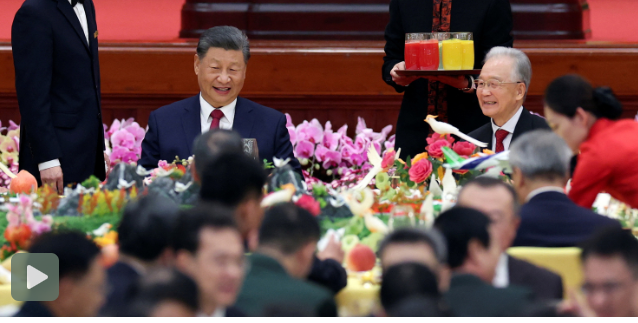
“平民总理”是假面,他是另一个系统性共犯。这也解释了温家宝和新冠病毒投放与新冠疫情掩盖的亲自部署、亲自指挥人习近平2024年一桌吃饭。
1989年六四后,温家宝是唯一陪赵紫阳上天安门却没被清洗的中办主任。 原因?邓小平亲自“放过”他。 这不是仁慈,而是政治互保的开始。
温家宝是怎么回报邓小平的?
亲自安排为四川书记李井泉(饥荒罪魁祸首)“平反”,漂白数百万饿殍的血债。
他在总理任上(2003–2013),持续掩盖四川大饥荒真相。
从未调查死亡数据,从未承认体制责任。
四川是饿死最多的省份。
据学者曹树基,1958–62年四川非正常死亡超900万人,却被温家宝政府的教材宣传成“自然灾害”。
档案封锁、教材洗白、媒体禁忌——他维持的,是系统性历史灭绝的沉默秩序。
温家宝到底有没有掩盖六四? 答案是肯定的。他不仅亲历六四镇压,还在其后的整整二十多年中,从未为六四平反、从未公开承认屠杀,更未追责邓小平。 相反,他配合体制继续沉默与封锁,帮助维稳。
1989年,温家宝是中共中央办公厅主任,全程陪同赵紫阳进天安门看望绝食学生。
而就在赵被软禁、全军清洗之际,温家宝却安然无恙。
他是唯一从天安门回去还能升官的人,后来当上总理。
凭什么?答案只有一个:他转身投靠了邓小平。
担任国务院总理期间(2003–2013),温家宝有没有推动平反六四?
从未。
他没有:
公布遇难者名单
承认军队屠杀学生
解禁相关书籍
释放维权人士
启动任何法律程序追责元凶
法律清算?完全没有。
温家宝甚至在任内竭力维护邓小平的“改革”形象。
对六四绝口不提,对邓小平连一句批评都不敢。
温家宝从未追责邓小平,反而主动承担掩盖六四与大饥荒的角色。
他不是“反对派”,而是共犯。
正如2024年温家宝与习近平同桌吃饭所显示的——
共犯之间,永不清算。
历史会记住他帮助极权漂白的罪行。#Democracy #Christ #Peace #Freedom #Liberty #Humanrights #人权 #法治 #宪政 #独立审计 #司法独立 #联邦制 #独立自治
【路德社】川普普京单独会晤接近三小时,联合新闻发布会传递重大战略信号,每一个点都是对准习共,看路德时评深入解读!8/15/2025 「墨博士」【...
【路德社】历史性转折!Trump出动B-2迎Putin同车同行;普京献花意指美俄联合,Xi共如何应对?8/15/2025「ludepress.com」
法国与美国的审计体制差异对司法独立的影响
从司法独立的保证方面看,审计在测试内部控制有效性时,本质上是对法院运行程序的一种制度化检查工具;它不仅监督财务运作,更间接保障司法内部程序的健全性。通过独立审计,陪审团抽选、法官与陪审团分工、审判程序等环节的缺陷能够被及时发现和修正,从而强化司法独立和程序公正。
法国审计院(Cour des comptes)名义上独立,其院长由总统任命,任期9年,并享有不可罢免的保障;高级审计官也由总统任命,部分重要职务可能需参议院或内阁审查。审计报告在部分情况下需先提交给被审计对象,这意味着法院在利用审计证据纠正内部程序问题时,可能受到信息延迟或对被审计单位配合程度的依赖,从而限制了司法内部纠错的效率,程序问题往往滞后被发现,对司法独立构成一定影响。
相比之下,美国政府问责局(GAO)直接隶属于国会,其首长由总统提名并经参议院确认,任期15年,罢免条件严格,以保障独立性。GAO的审计报告直接提交国会,多数公开可供法院和公众获取,为纠正陪审团抽选、法官与陪审团分工及其他审判程序瑕疵提供独立证据。美国制度下的内部纠错机制制度化程度高,使司法程序能够自我发现缺陷并及时修正,从而更有效地保障司法独立和程序公正。
总体来看,法国模式强调协作和建议,审计证据先交被审计对象,司法内部监督受限;美国模式强调独立、透明和制度化纠错,审计直接服务于司法程序。两国审计体制差异直接影响法院内部独立性和程序公正,美国模式为司法自我纠错提供了更高效的制度保障。#Democracy #Christ #Peace #Freedom #Liberty #Humanrights #人权 #法治 #宪政 #独立审计 #司法独立 #联邦制 #独立自治
Do “Han People” Really Exist in the Eyes of Uyghurs? The Truth Behind Resource Disputes
This article examines the misconceptions surrounding ethnic identity and resource conflicts in Xinjiang. Many Uyghurs attribute exploitation or resource competition to “Han people,” but historical and structural analysis shows that the real power lies with the CCP regime, not any ethnic group.
Ethnic labels are misleading: Terms like “Han” or “Uyghur” often obscure the reality that power and policies are centralized in the CCP, with many perpetrators and beneficiaries of state actions being of varied ethnicities, including Uyghurs themselves.
Rights under CCP control: All ethnic groups are subjects of the CCP, and their rights are defined not by law or citizenship but by party priorities and the state’s coercive system.
NGO limitations and incentives: Uyghur human rights organizations, even in the U.S., may operate under CCP oversight. Success in rescuing individuals or mitigating repression depends on party-sanctioned approval, border control, and national security laws. NGOs may be forced to deprioritize or avoid politically sensitive issues like COVID-19 accountability or fentanyl trafficking to maintain leverage.
Infiltration risk and operational constraints: The CCP could plausibly embed loyal officers within NGO operations to monitor compliance and control outcomes, highlighting the controlled and risk-managed nature of human rights interventions.
Cycle of impunity: Even when limited interventions succeed, institutional oppression continues, responsibility rarely reaches top leaders like Xi Jinping, and accountability is shifted to local officials. This structure allows the CCP to extend its control regionally and internationally, from East Asia to the U.S., while maintaining domestic power.
Policy implications: Misattributing grievances to ethnic identity rather than CCP control strengthens the regime’s narrative, perpetuates misunderstandings, and undermines real accountability. Recognizing the structural and political mechanisms behind “resource disputes” is essential for understanding Xinjiang’s human rights challenges and the global influence of CCP power.
1. Introduction
In discussions among some Uyghurs, it is often claimed that “Han people have taken Uyghur resources.” On the surface, this seems straightforward, but it misrepresents the true responsibility. This article analyzes the issue from the perspective of history, politics, human rights, and equal citizenship, making clear that the real responsible party is the Chinese Communist Party (CCP) as a coercive regime, not any ethnic group.
2. Han Identity: Cultural and Historical, Not a Political Actor
-
“Han” is a historical and cultural label, not a unified political entity.
Han communities vary greatly in language, customs, and historical integration; many groups cannot understand each other without using a third language, such as English, French, or Mandarin.
-
Individual Han people, if it exists, do not possess collective political will or authority; thus, they cannot collectively seize resources.
In other words, attributing resource inequality to “Han people” is logically incorrect.
3. The CCP: The Coercive Regime Responsible
-
The CCP maintains control through force, ideological enforcement, and party appointment systems, depriving citizens of basic freedoms.
-
Resources, land, and economic policies in Xinjiang are centrally controlled by the CCP, unrelated to any ethnic group’s inherent traits.
-
Uyghur or Han officials may participate in policy execution, but decision-making power lies entirely within the CCP structure.
-
All resource seizures, land acquisitions, and policy enforcement are actions of the CCP, not of any ethnic group.
4. Education and Policy Misinterpretations
-
Some Han people believe Uyghurs receive preferential treatment in university admissions, creating perceptions of “inequality.”
-
These policies are tools of the CCP, designed to manage education and social resources, not privileges inherent to any ethnic group.
-
Emphasizing ethnic comparisons obscures the CCP’s responsibility and fosters misunderstanding.
5. Citizenship and Equal Rights
-
According to the U.S. Declaration of Independence, all individuals have equal rights to life, liberty, and the pursuit of happiness:
-
Uyghurs are not inherently more “noble” than Han people
-
Han individuals are not inherently superior to Uyghurs
-
-
CCP-designated “Han” is an administrative and historical label, not a basis for assigning responsibility.
-
In a coercive regime, rights are stripped, and ethnic labels do not change this reality.
6. Misreading Ethnic Narratives
-
When Uyghurs speak of “Han people,” they often conflate central policy executors with ethnic labels.
-
This confusion can create the false impression that “Han collectively are seizing resources,” when responsibility actually lies with the CCP and its coercive structures.
7. Historical Analogy
-
During the Soviet era, famines in Ukraine were often misattributed to “Russians,” but the real cause was centralized policies and the Communist Party’s power structure.
-
Ethnic groups were only implementers or affected parties, not the responsible entity.
-
Similarly, in Xinjiang, the CCP’s coercive power—not any ethnic group—is the root cause of resource and policy inequality.
8. CCP Members Within Uyghur Communities
-
Do not assume that CCP members among Uyghurs represent the interests of the entire Uyghur community.
-
Their actions—sometimes escalating ethnic tensions—serve the CCP’s regime and its security logic, providing justification for expanding coercive control nationwide.
9. The “July 5th Incident” and Power Logic
-
One plausible scenario is that CCP members within the Uyghur community played a role in planning or pushing the July 5th Incident to protect central authority.
-
After the incident, officials in Xinjiang who demonstrated loyalty and the ability to maintain stability were promoted to central positions, consistent with the CCP’s reward logic for maintaining order.
10. Mechanism Similarity with Tiananmen
-
Some Xinjiang officials may have designed stability plans, directing Uyghur CCP members to manufacture conflict under the guise of ethnic tension, then restore order.
-
Promotions after the incident reflect the CCP’s centralized reward system for capable stabilizers, similar to the logic seen in the Tiananmen crackdown: incidents are leveraged to strengthen centralized control.
11. Contemporary Evidence
-
Multiple international media and human rights organizations have reported that the CCP monitors, pressures, and even threatens Uyghurs overseas, sometimes using Uyghur community members as instruments. This confirms that leveraging ethnic insiders to enforce regime stability is an existing reality, lending plausibility to the above analysis.
Uyghur human rights NGOs in the U.S., even those facilitating the release of detainees, may operate under tacit or explicit CCP supervision. The PRC controls all borders and exit/entry through passport and national security laws, meaning that success in any rescue or relocation depends entirely on party-sanctioned permission. It is therefore plausible that the CCP could assign a loyal officer or intelligence operative to pose as a “released Uyghur” within NGO operations. Such placement allows the party to monitor NGO activities, enforce compliance with CCP priorities, and control sensitive outcomes, ensuring that interventions remain aligned with regime security interests. This prevents NGOs from engaging in advocacy that could challenge the party on politically sensitive issues, such as COVID-19 accountability or fentanyl trafficking. Staff and beneficiaries may not realize that some participants are acting under CCP direction, highlighting the controlled and risk-managed nature of CCP-sanctioned human rights work and the central role of border control as a tool of leverage.
Uyghurs are not a monolithic group. While many are devout Muslims, others are secular, and some are long-standing members of the Chinese Communist Party — including cadres tied to historical networks built during Xi Zhongxun’s involvement in minority policy. Xi Zhongxun’s personal ties to certain Uyghur elites in the 1950s–1960s may have evolved into a United Front network that his son, Xi Jinping, now leverages. This background raises a sensitive possibility: some Uyghur human rights NGOs, especially those reliant on negotiating releases or operating within channels influenced by the CCP, may avoid topics that directly threaten Xi Jinping’s legitimacy — such as the PLA’s role in COVID-19’s origins, fentanyl trafficking, or military-linked repression — not out of ignorance, but because their access and effectiveness depend on not crossing the personal and political red lines tied to the Xi family.
12. Conclusion
-
Han individuals cannot be treated as responsible parties; ethnic identity does not determine culpability.
-
Responsibility for Xinjiang policies and coercion lies entirely with the CCP as a coercive regime, not any ethnic group.
-
Policies that appear to favor certain groups (education, resources) are tools of the CCP, not ethnic privileges.
-
In practice, all ethnic groups in China are subjects under CCP control, not equal citizens. Rights are defined by the party’s coercive system, not by law, citizenship, or independent principles.
-
Misinterpreting ethnic narratives obscures the CCP’s responsibility and fosters unnecessary division.
-
Recognizing the CCP as the true authority highlights the importance of systemic reform, human rights protection, and independent oversight.
Extending the Logic: Hong Kong, Tibet, Inner Mongolia, and Manchuria NGOs
The structural constraints observed in Uyghur advocacy also apply to NGOs focused on Hong Kong, Tibet, Inner Mongolia, or Manchuria. Even in regions perceived as more open, such as Hong Kong’s free port, NGOs operate under CCP supervision, with exit and entry controlled through passports, national security provisions, and border law.
-
Operational leverage tied to CCP compliance: NGOs’ ability to protect individuals or advocate for human rights depends on avoiding direct challenges to CCP authority, even when local populations face political repression.
-
Risk of infiltration: The CCP could plausibly embed loyal personnel or intelligence officers in NGO operations to monitor compliance and influence outcomes, ensuring that interventions do not threaten regime security.
-
Limits of advocacy: Efforts to expose highly sensitive issues—such as alleged CCP biological research, pandemic origins, or illicit activities—are effectively off-limits, as intervention could endanger both the NGO and those it seeks to help.
-
Implications for human rights: Like Xinjiang, these regions demonstrate how structural constraints, border control, and party oversight shape what NGOs can achieve. Individual advocacy or whistleblowing outside sanctioned issues cannot rely on NGO support for safe exit, underscoring the pervasive reach of CCP authority.
This analysis warns that well-intentioned advocacy in any CCP-controlled region must account for structural power, regime priorities, and operational limitations, rather than assuming that free ports, ethnic framing, or international sympathy guarantee protection or accountability.
