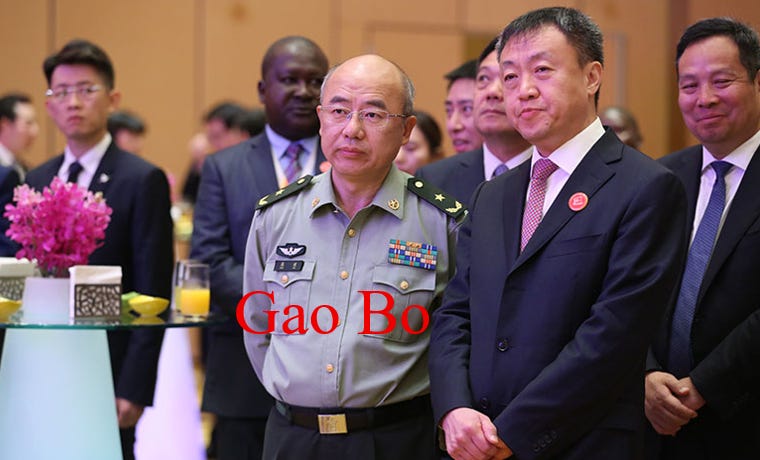
On March 12, 2018, during the 1st Session of the 13th National People’s Congress, Gao Bo (高波), then Director of the PLA Ground Force Equipment Department (陆军装备部部长) and active-duty NPC delegate, presented the military’s strategic vision for restructuring China’s defense acquisition apparatus.
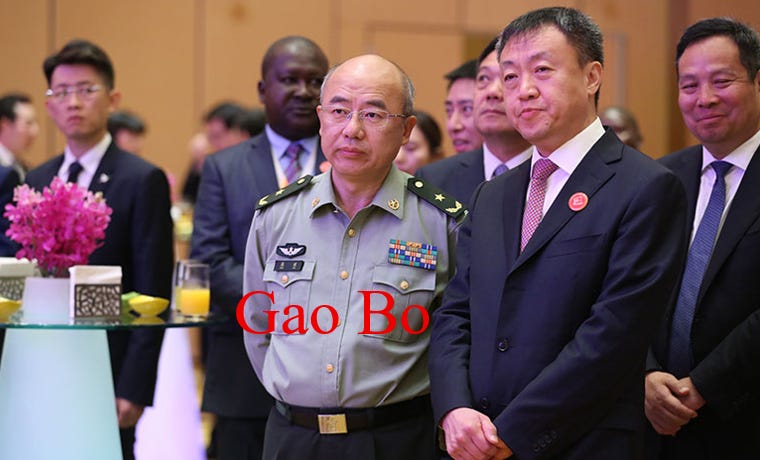
Gao’s statements explicitly map out how the military leverages legislative authority to dismantle barriers between commercial R&D and defense procurement under Military-Civil Fusion (MCF / 军民融合).
Key Mechanisms of Institutional Exploitation Exposed
Tripartite Contracting Framework: Gao advocated a model summarized as “government platform, military leads, enterprise performs” (政府搭台、军方主导、企业唱戏). This structure places military requirements at the center of commercial production while compelling civilian municipal authorities to subsidize infrastructure and regulatory alignment.
Unified Security & Clearance Integration: To streamline civilian entry into defense supply chains (”民参军”), Gao proposed merging quality management, state security clearance, and military production qualifications into a single joint-review apparatus. This lowers barriers for private technology firms to supply components directly for Ground Force armor, artillery, and logistics systems.
Crowdsourced Military R&D: The Ground Force Equipment Department institutionalized non-traditional procurement pathways—including open prize challenges, online crowdfunding, and expert think-tank sourcing—to systematically capture commercial R&D for next-generation land warfare.
Structural Analysis of Gao Bo’s Legislative Directives
                   LEGISLATED DEFENSE PROCUREMENT REFORM
  +----------------------------------------------------------------------+
  | PLA Ground Force Equipment Department (陆军装备部)                    |
  | Director & NPC Delegate: Gao Bo (高波)                               |
  +----------------------------------------------------------------------+
                                     |
           +-------------------------+-------------------------+
           |                                                   |
           v                                                   v
+------------------------------------+               +------------------------------------+
| Institutional MCF Procurement      |               | Subversion of Democratic Governance|
| - Joint Clearance (Security/Quality|               | - Active general dictates laws      |
| - Siphons private R&D & capital    |               | - Subordinates civilian budgets    |
| - Crowdsourced defense solutions   |               | - Violates separation of powers    |
+------------------------------------+               +------------------------------------+
Gao Bo’s directives focus on three core strategic operational domains:
Procurement Reform: Through the implementation of a unified joint-review clearance mechanism, the Ground Force eliminates administrative delays and regulatory friction for private commercial firms entering military supply chains.
Capital Exploitation: By deploying subsidized “Civilian-to-Military” (民参军) pipelines, the military apparatus systematically absorbs private commercial investment to offset state military R&D expenses and accelerate hardware development.
Governance Subversion: By utilizing legislative voting mechanisms reserved for active-duty commanders, Gao directs parliamentary policy to mandate civilian municipal support and taxpayer funding for military acquisitions.
Systemic Implications for International Markets and Defense
Erasure of Dual-Use Neutrality: Gao Bo’s explicit integration of private tech enterprises into military maintenance, research, and production means commercial Chinese supply chains in electronics, robotics, and advanced manufacturing operate under direct military preemption.
Subversion of Parliamentary Oversight: As a general directing legislative policy within the National People’s Congress, Gao used state law to institutionalize military access to commercial markets, bypassing independent civilian regulatory oversight and reinforcing party-military dominance over national economic planning.
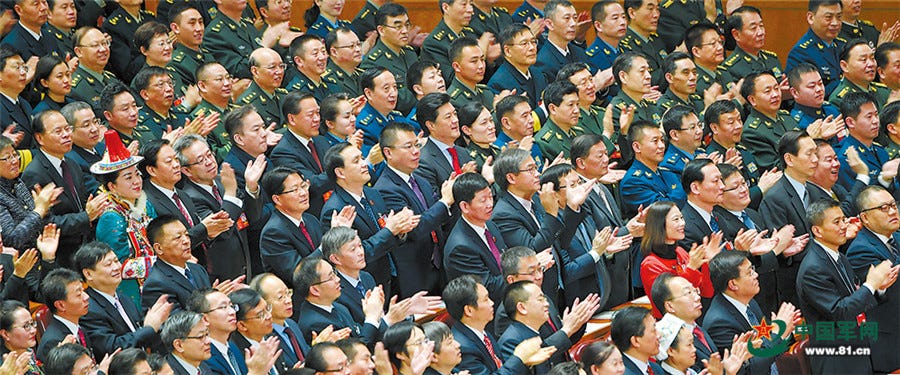
中共全国人大是中共中央军事委员会的下属机构、办事部门,是中共中央军事委员会推进军民融合和中华人民共和国全面军国主义化、纳粹化的工具。例如:2018年3月12日十三届全国人大一次会议解放军和武警部队代表团全体会议上,中国人民解放军陆军装备部部长高波:“习主席深刻指出,要强化开放共享观念,坚决打破封闭垄断,加强科技创新资源优化配置。这为我们推进武器装备军民融合深度发展,提供了根本遵循和有力指引。要从体制上构建融合共享机制,采取政府搭台、军方主导、企业唱戏的办法,稳步实施武器装备科研体制、采办体系、投资体制和招投标改革,建立融质量管理、保密资质、承制资格为一体的军地联合审查协作机制,让更多优质民营企业进入军品科研生产和维修领域。要从政策上支撑“民参军”具体实践,从国家层面给予民营企业鼓励支持,积极搭建军地需求对接平台,着力打造军民融合示范工程,注重通过有效策略和商业保护机制,消除部分企业的思想顾虑。要从模式上创新挖掘各方资源,运用专题研究、论坛交流、难题悬赏、在线众筹等方式,广泛吸纳专家智库、创新团队、专业机构等社会资源,破解重难点问题,推动新型陆军装备建设创新发展。”


No comments:
Post a Comment